For aquariums, the right water additives support fish health, reduce stress, and maintain safe water conditions. This guide highlights five practical products best suited for common saltwater and freshwater setups, with clear guidance on who should choose each option and why. The selection emphasizes water conditioners, salt mixes, and treatments that help manage salinity, chlorine, ammonia, and maintenance needs.
| Product | Best For | Key Benefit |
|---|---|---|
| Instant Ocean Sea Salt | Marine tanks | Comprehensive marine trace elements |
| Seachem Prime | Freshwater & saltwater tanks | Detoxifies chlorine/chloramine and metals |
| API Tap Water Conditioner | New and seasoned freshwater tanks | Neutralizes chemicals that harm fish |
| API Aquarium Salt (Freshwater) | Freshwater species care | Adds beneficial electrolytes |
| Tetra Aquarium Salt | Freshwater tanks | Electrolytes to reduce stress |
Instant Ocean Sea Salt 50 Gallons
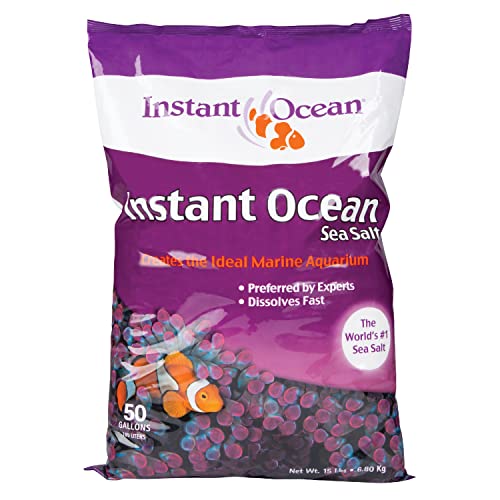
Best for marine aquariums that require a complete balance of major, minor, and trace elements. Instant Ocean Sea Salt is designed to dissolve quickly and provide a ready-to-use solution that helps maintain an appropriate salinity and pH range for coral and reef environments. This option is ideal for saltwater hobbyists who need predictable, stable salinity and element availability. A caveat is that marine tanks may need periodic testing to adjust salinity as livestock and evaporation rates change.
Seachem Prime Fresh and Saltwater Conditioner

Best for both freshwater and saltwater setups needing immediate water detoxification. Seachem Prime removes chlorine and chloramine and detoxifies ammonia, nitrite, and nitrate for 48 hours, allowing filtration to catch up. It is a strong choice for new tanks or water changes, especially when tap water quality is uncertain. A limitation is that Prime is a conditioner, not a long-term water balance agent, so ongoing testing remains necessary.
API TAP WATER CONDITIONER

Best for preparing safe replacement water in freshwater aquariums. This conditioner neutralizes chlorine and chloramines and helps protect fish from common tap-water irritants. It can prevent gill damage and tissue irritation during water changes. A potential limitation is that it does not provide electrolytes or long-term buffering; combine with appropriate substrate and testing for optimum results.
API Aquarium Salt Freshwater 36-Ounce Box

Best for freshwater tanks needing electrolytes and a healthier environment for fish. This salt is formulated specifically for freshwater aquariums to reduce stress and support electrolyte balance in tropical fish and goldfish. It is a straightforward option for hobbyists seeking a simple additive to improve overall fish well-being. A caveat is that it is not a substitute for proper water conditioning or nitrification balance; regular testing remains essential.
Tetra Aquarium Salt for Freshwater Tanks

Best for freshwater setups that require additional electrolytes to support healthy gill and muscle function. Tetra Aquarium Salt is designed for freshwater tanks, including tropical and goldfish aquariums, by adding beneficial electrolytes to the water and reducing fish stress. Use this when livestock show signs of stress or when adjusting to new tank mates. A limitation is that it should be used as directed for freshwater only and not as a marine salt substitute.
Buying Guide: Salt, Freshwater, And Water Treating Essentials
- What type of aquarium do you have? Marine tanks require a complete seawater mix with trace elements, while freshwater setups benefit from electrolytes and safe chlorine/chloramine removal.
- Do you need a detoxifier or a conditioner? Detoxifiers (like Prime) protect fish during water changes by neutralizing toxins, while conditioners remove chlorine and chloramines from tap water.
- Are you balancing salinity or salinity stability? Salt mixes such as Instant Ocean provide a full marine parameter profile, whereas freshwater salts focus on electrolytes and stress reduction.
- How frequent are water changes and evaporation? In larger or heavily stocked tanks, stable salinity and water quality require routine testing and potential salt or conditioner adjustments.
- What livestock do you keep? Goldfish and tropical freshwater fish may benefit from electrolytes, while reef and saltwater invertebrates rely on trace elements in marine salt mixes.
FAQ
- What is the difference between salt for freshwater and salt for marine tanks?
– Freshwater salts primarily supply electrolytes for stress reduction, while marine salts provide a complete suite of major, minor, and trace elements for saltwater life. - When should I use a water conditioner?
– Use a conditioner during water changes or when introducing tap water to remove chlorine, chloramine, and metals that can harm fish. - Can I mix different brands of salt or conditioners?
– It’s best to follow manufacturer guidance and avoid mixing products that alter alkalinity, salinity, or toxin detoxification in conflicting ways. - How can I determine if my tank needs extra electrolytes?
– Observe signs of stress in fish, test water parameters as recommended, and consider a targeted electrolyte supplement if stress signs persist after water changes. - Is a conditioner enough to manage all water quality aspects?
– No. Conditioners address toxins and certain chemicals; ongoing testing for ammonia, nitrite, nitrate, pH, and alkalinity is essential for stable conditions.