Answer: Use a gravel siphon or electric aquarium water changer for efficient water removal, paired with tablets or cleaners to maintain clarity. This guide highlights five products that excel at water changes, gravel cleaning, and overall tank hygiene. They’re best for beginners needing simple, mess-free changes, hobbyists with larger tanks, and keepers seeking safer tools for delicate aquatic life. Each option includes who it’s best for and why it stands out, plus practical cautions to consider.
| Product | Best For |
|---|---|
| Tetra Water Cleaner Gravel Siphon | Small to mid-size tanks; easy routine 30% water changes |
| Luigi’s Fish Tank Cleaner | Gravel cleaning with gentle suction; children-friendly setups |
| UPETTOOLS Aquarium Gravel Cleaner | Electric, hands-free water changes; larger tanks |
| Laifoo 5ft Aquarium Siphon Vacuum | Long hoses for deep tanks; simple siphon maintenance |
| API Stress Zyme | Biological cleaning aid; enhances gravel and decor cleanliness |
Tetra Water Cleaner Gravel Siphon for Aquariums
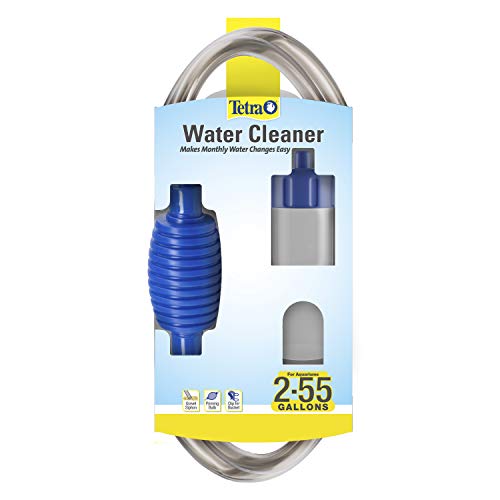
The Tetra gravel siphon is designed for easy siphoning of water and debris from freshwater aquariums. It is compatible with tanks up to 55 gallons, making it a strong option for small to medium setups. It helps simplify monthly water changes by enabling a controlled 30% drain and refill. Best for beginners seeking a straightforward tool that reduces spillage during changes; limitation: not ideal for very large tanks beyond 55 gallons.
Luigi’s Fish Tank Cleaner — Hand Siphon

This hand siphon features a one-way valve to reduce drips and improve suction for regular water changes. It can clear 30 liters in about 5 minutes and includes an attachment to filter through gravel, catching waste and toxins. Best for small to medium tanks, particularly where quick, manual changes are preferred. Caution: ensure the valve is sealed to prevent leaks during use.
UPETTOOLS Aquarium Gravel Cleaner

This electric gravel cleaner offers a 6-in-1 design for water changing, sand washing, debris removal, filtration, water showering, and flow control. It supports freshwater and saltwater tanks and provides a high flow rate of up to 1700 L/H with a 28W motor. Best for larger or busier tanks where hands-free cleaning and efficient water changes are prioritized. Limitation: may require setup and cable management for ease of use in cramped setups.
ZAIREG Water Purification Tablets for Fish Tank

Water purification tablets help reduce turbidity and floating particles, aiding a clearer tank appearance and more stable conditions for aquatic life. Best for ongoing maintenance and quick clarity boosts; caution: use as directed to avoid over-application and potential chemical interaction with sensitive species.
Water Purification Tablet (Generic)

A general-purpose water clarification tablet that supports fast-acting turbidity reduction and easy maintenance. Best for hobbyists who want a convenient supplement to water changes; caution: verify compatibility with tank inhabitants and avoid mixing with incompatible products.
Laifoo 5ft-S Aquarium Siphon Vacuum

Laifoo’s siphon vacuum offers a durable 5-foot hose, a detachable filter screen inside the gravel tube, and a design that minimizes disturbance to fish or decor while cleaning. Best for larger tanks or setups with deeper substrates; caution: ensure you maintain water containment to prevent splashing during siphon start.
API Stress Zyme — Bacterial Cleaner

API Stress Zyme provides a bacterial-cleaning solution intended to support overall aquarium cleanliness by assisting sludge breakdown and maintenance of gravel and decorations. Best for ongoing maintenance in both freshwater and saltwater tanks; caution: it is a supplement, not a replacement for regular mechanical cleaning or water changes.
Buying Guide: Key Considerations For Removing Water And Cleaning Gravel
- Tank size and depth: Choose a gravel cleaner or siphon with appropriate hose length and flow control for your tank depth and volume.
- Manual vs. electric: Manual siphons are simple and inexpensive; electric cleaners offer hands-free operation for larger jobs.
- Substrate safety: Look for filters or screens that protect fish and invertebrates during cleaning.
- Water change goals: For routine maintenance, select tools that support consistent 20–30% water changes; for heavy debris, consider more robust electric cleaners.
- Chemical additives: Use purification tablets or bacterial cleaners only as directed and compatible with your tank inhabitants.
- Maintenance frequency: Establish a schedule based on bioload, feeding habits, and tank maturity to keep water quality stable.
Frequently Asked Questions
- What is the safest way to remove water from a fish tank?
Use a gravel siphon or an electric water changer designed for aquarium use to minimize stress on fish. - Can I use purification tablets with all fish?
Most tablets are designed for general use; check species sensitivity and tank chemistry before applying. - How often should I perform water changes?
Many hobbyists perform 20–30% changes every 1–2 weeks, adjusted to bioload and water test results. - Do these tools remove sludge from gravel effectively?
Yes, siphons and electric cleaners are built to pull out waste and debris from substrate while maintaining beneficial bacteria. - Is an electric gravel cleaner better for large tanks?
Electrical units offer faster cleaning and consistent flow, which helps in larger volumes and deeper substrates. - Should I mix chemical cleaners with siphons?
Only when explicitly recommended by product guidelines; avoid mixing unless designed to be used in tandem.