Red-hued aquarium plants add striking focal points and dramatic contrast to your aquascape. This guide highlights five red-leaning stem and foliage options that suit a range of tanks, from beginner setups to experienced layouts. Each selection includes key features to help you compare growth, lighting needs, and compatibility with common freshwater species.
| Product | Brand | Notes |
|---|---|---|
| Tiger Lotus Lily Nymphaea Lotus | Marcus Fish Tanks | Red-tinted accents, bulb sprouted ready to grow; fragile leaves. |
| Red Flame Sword | Marcus Fish Tanks | Classic red sword with tall growth; requires stable lighting. |
| Alternanthera Reineckii Rosanervig | Ultum Nature Systems | Colorful pink-red stems; moderate care; CO2 helps. |
| Red Root Floater | Generic | Floating plant with red undersides; adds surface coverage. |
| Red Flame Sword (Potted) | AquaLeaf Aquatics | Red coloration emerges as it adapts to the tank; snail-free. |
Note: The availability and exact coloration of live aquatic plants can vary with shipment and tank conditions. Always acclimate new plants gradually and monitor water temperature during extreme weather to protect sensitive specimens.
Tiger Lotus Lily Nymphaea Lotus
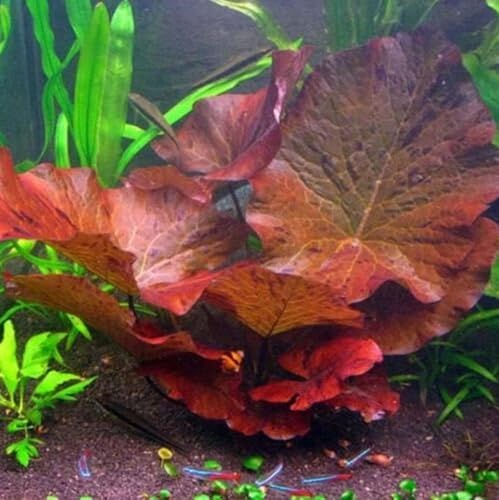
The Tiger Lotus Lily is a red-tinged aquatic bulb that ships sprouted and ready to grow. This Marcus Fish Tanks offering focuses on a compact bulb size to minimize leaf breakage during transit, with sprouts typically measuring 1 cm to 3 cm. It’s suited to mid-to-back plant zones as it develops leaves and maintains a striking focal point in the aquascape. Care requires consistent lighting and a stable environment; extreme weather can stress live plants, particularly during winter. The plant often transitions to a vibrant center of red or pink hues as it establishes in the substrate.
Key considerations:
- Growth pattern: bulb-based introduction with gradual vertical growth.
- Light needs: moderate to strong lighting encourages robust coloration.
- Temperature and shipping: avoid extremely cold periods; winter shipping advice is noted in product copy.
Red Flame Sword

The Red Flame Sword is a classic choice for aquariums seeking bold red accent and tall, sword-like leaves. This Marcus Fish Tanks plant typically reaches 5-10 inches in height, though individual growth varies with light and nutrients. The Red Flame Sword adds dramatic verticality and contrasts well against green foliage or along a back corner. As with other live plants, it benefits from a consistent day-night cycle and a stable substrate. Temperature sensitivity can be a factor in extreme weather, so plan accordingly.
Key considerations:
- Color intensity: red tones deepen with adequate lighting and CO2 supplementation.
- Space usage: tall growth to the rear or mid-tank works best.
- Maintenance: occasional trimming helps prevent light competition with lower plants.
Alternanthera Reineckii Rosanervig

Ultum Nature Systems presents Alternanthera Reineckii Rosanervig, a red stem variety prized for its vivid pinkish-red leaves with veining. It provides a striking contrast against green substrates and can serve as a centerpiece or a border plant in a well-lit tank. The plant is described as easy to moderate, thriving best under good lighting and a steady fertilization routine. CO2 can help intensify coloration, though care can be managed in standard freshwater setups. Regular pruning keeps the plant from becoming leggy and helps preserve a compact layout.
Key considerations:
- Color dynamics: expect bright red tones with high light and CO2.
- Growth habit: stems become bushy with proper trimming.
- Compatibility: pairs well with green foregrounds and midground species.
Red Root Floater
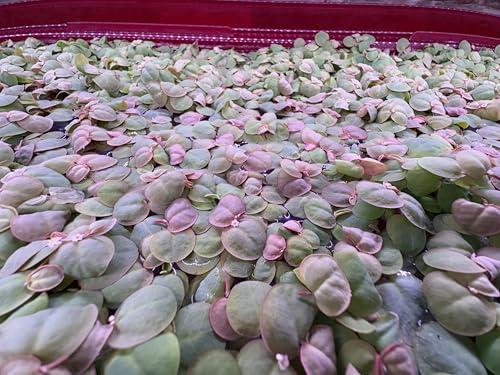
Red Root Floater is a floating plant with distinctive red undersides on a lush green top, adding color where leaves meet the surface. This Osman-style floating plant helps shade the aquarium and can reduce light intensity for bottom-dwelling species. It is ideal for beginner to intermediate setups, as it propagates quickly and helps create a dynamic canopy. The plant is noted for its 50+ leaf count per batch, and it includes a bonus mystery plant in some listings. Provide moderate to bright light for best coloration, and avoid strong surface agitation which can disrupt leaf health.
Key considerations:
- Surface management: floating mats influence light distribution and nutrient uptake.
- Light needs: thriving color develops under moderate-to-high light.
- Maintenance: occasional removal of excess growth maintains desired coverage.
Red Flame Sword (Potted)

This potted Red Flame Sword from AquaLeaf Aquatics arrives in a 2-inch pot with plants typically measuring 6-8 inches upon shipment. The coloration may emerge as red after acclimation, offering a reliable genetic baseline for aquariums prioritizing red contrast. The product emphasizes snail-free planting and US-based organic growth, making it suitable for a range of tank sizes. As with other live plants, provide stable temperatures and nutrient-rich substrates to encourage consistent red coloration and healthy growth.
Key considerations:
- Transition and acclimation: expect color development during adaptation to the aquarium.
- Planting depth: ensure the root ball is well-submerged while keeping leaves above substrate.
- Compatibility: pairs well with greens and other red-toned specimens for balanced contrast.
Buying Guide: Red Stem Plant Considerations
Choosing red stem and red-toned plants requires balancing color, growth rate, lighting, and aquarium inhabitants. Consider the following perspectives to tailor your choice:
- Lighting and CO2: Deep red coloration typically boosts under bright lighting and supplemental CO2. If your setup lacks CO2, select varieties known for strong color even with standard ferts, and plan regular pruning to maintain growth that responds to available nutrients.
- Growth form and tank height: Tall red swords work well at the back, while compact rosettes or lantern-shaped stems suit mid-ground or foreground placements. Floating reds like Red Root Floater can soften shadows and create dynamic surface texture.
- Substrate and nutrients: Rich substrates and consistent micronutrients support red pigment expression. Regular fertilization schedules help maintain color intensity across weeks and seasons.
- Temperature and acclimation: Sudden temperature shifts stress live plants; during winter, monitor outdoor temperatures and ship timing. Acclimation is critical for bulb-based plants and variegated stems alike.
- Compatibility with tank mates: Some red plants attract nibbling by herbivorous species. If this is a concern, consider sturdier varieties or provide plant-safe zones with taller stems that resist grazing.
- Maintenance strategy: Red plants often require regular pruning to keep shape, prevent shading of shorter foreground plants, and encourage compact growth. Plan for trimming sessions every few weeks depending on growth rate.
- Plastic ornaments vs live plants: For a natural red accent, prioritize live options like those listed here. Plastic décor cannot replace growth dynamics but can complement color variety when used sparingly.
In sum, the best red stem plant choices balance color intensity with growth habit and ease of care. For beginners, starting with Red Flame Sword or Tiger Lotus Lily provides immediate color without requiring advanced CO2 setups. For experienced aquarists, Alternanthera Rosanervig and Red Root Floater offer deeper color and varied growth forms to create dramatic, multi-layered aquascapes.