Red floating plants add striking color, help control nutrients, and provide shade for shy fish. This guide highlights top red floating options, comparing leaf counts, growth habits, light needs, and care tips. Whether you’re building a dramatic foreground carpet or a natural surface canopy, these picks offer color and biological benefits for freshwater aquariums.
| Product | Brand | Notes |
|---|---|---|
| Aquarigram 40+ Leaves Red Root Floaters | Aquarigram | 40+ leaves; includes mystery bonus plant; helps remove toxins |
| Red Root Floater Live Aquarium Plants, Phyllanthus Fluitans | Generic | 50+ leaves; red-purple undersides; moderate to high light |
| 30+ Leaves Red Root Floaters, Phyllanthus Fluitans | Shore Aquatic | 30+ leaves; mystery bonus; toxin removal |
| 70+ Leaves Red Root Floaters | Midnight Glo | High leaf count; varying color; low to moderate light |
| Aquarigram Floating Plant Combo Pack | Aquarigram | Includes Red Root Floater; multi-plant floating carpet |
The following sections profile five top red floating plants that suit a range of tank sizes and lighting conditions. Each entry includes a direct Amazon link in the heading for quick viewing and purchase, a gallery image, and a concise feature summary to help you compare at a glance.
Aquarigram 40+ Leaves Red Root Floaters

This floating plant package emphasizes a combined leaf count exceeding 40, offering a substantial display of red-hued foliage. The set sometimes includes a mystery bonus plant, expanding diversification on the water’s surface. Beyond aesthetics, Red Root Floaters can contribute to a balanced aquarium by absorbing certain toxins.
Red Root Floater Live Aquarium Plants, Phyllanthus Fluitans
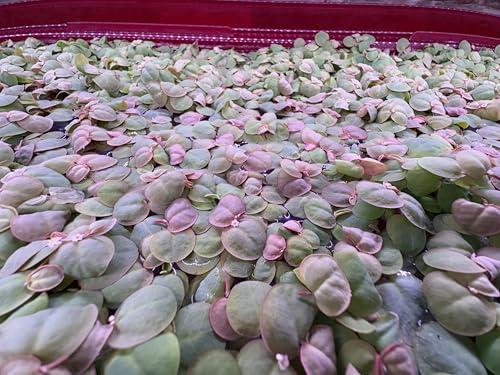
This option features more than 50 red-root floaters, offering a robust carpet beneath the surface. The leaves display a characteristic red-purple underside with green tops, creating a vivid, two-tone effect. It thrives under moderate to high light but prefers gentle water movement and appreciates steady lighting to intensify coloration.
30+ Leaves Red Root Floaters
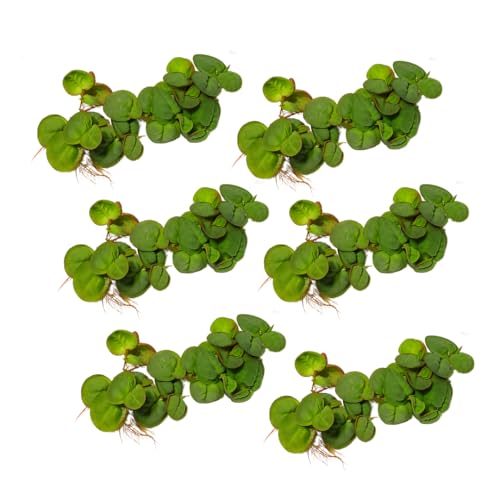
This pack focuses on a solid starter set with at least 30 leaves, making it a practical option for smaller tanks. The included mystery bonus plant adds a touch of discovery. Like other red root floaters, these help compete with algae for available nutrients, contributing to water quality when paired with appropriate light and filtration.
70+ Leaves Red Root Floaters

With a large leaf count, this option creates a bold surface display that can dramatically alter the look of a tank. The leaves can range from green to red, depending on lighting. They are considered relatively low-maintenance but respond well to moderate to high light levels to bring out red coloration, and they help absorb excess nutrients in the water.
Aquarigram Floating Plant Combo Pack

This four-plant selection includes Amazon Frogbit, Red Root Floater, Water Spangles, and Water Lettuce. The diverse mix fosters rapid surface coverage and a visually striking red accent. All plants are self-multiplying, contributing to a sustained, evolving display while helping to remove ammonia, nitrates, and heavy metals from the aquarium water.
Ultimate Floating Plant Bundle – Duckweed, Red Root Floaters, Salvinia

This collection emphasizes a larger variety with duckweed and Salvinia alongside Red Root Floaters for layered surface coverage. Duckweed serves as a natural biofilter, processing significant water volume and reducing dissolved nutrients. The set is easy to care for, thriving under basic lighting with minimal soil requirements.
Buying Guide: Key Purchase Considerations
- Lighting requirements: Red hues typically deepen with moderate to high light. Ensure your tank lighting supports the color development without promoting excessive algae.
- Leaf count and density: Higher leaf counts offer faster surface coverage and nutrient uptake, but may require more maintenance to prevent overgrowth and shading of other plants.
- Water flow and surface agitation: Floating plants prefer gentle water movement at the surface. Too much agitation can hinder leaf health and color development.
- Tank size and compatibility: Check the recommended capacity and the plant’s growth pattern. Some packs suit small nano tanks, while others provide dense coverage for larger homes.
- Maintenance cadence: All floating plants benefit from regular light pruning and occasional nutrient balancing to prevent dominance by a single species.
- Biological benefits: Floating plants can act as natural biofilters, absorbing ammonia and nitrates. They also provide shade, which helps control algal blooms and offers hiding spots for certain fish and shrimp.
- Aesthetic goals: For a red accent, select plants with consistently red or red-tinged leaves under your lighting. Some varieties intensify coloration with longer light exposure.