Answering your search for clean, clear water in reef and marine tanks, these phosphate removal products help control nutrient buildup that can fuel algae and cloudiness. The list includes liquid removers for ready dosing, solid media for ongoing filtration, and specialized blends for delicate reef systems. Ideal buyers range from heavily stocked reef keepers needing rapid reduction to newcomers seeking steady, maintainable phosphate control.
| Product | Form | Best For | Notes |
|---|---|---|---|
| Brightwell Aquatics Phosphat-E (4.2 fl oz) | Liquid | Moderate to high phosphate systems; reef or marine fish tanks | Quick, precise reduction; may cause temporary cloudiness |
| Brightwell Aquatics Phosphat-E (8.45 fl oz) | Liquid | Larger systems; ongoing phosphate management | Same mechanism, larger volume for extended use |
| Kolar Labs GFO Bayoxide E33 Phosphate Remover | Granular media | Dedicated filtration media for continuous removal | Requires reactor or compatible media chamber |
| Aqua Algae Phos-Resolve Phosphate Remover | Liquid concentrate | Large systems or heavily loaded tanks | Uses 15% lanthanum chloride; dose precisely |
| Seachem PhosBond Phosphate Silicate Remover | Filter media | Marine and freshwater setups needing rapid removal | Silicate removal included; use with compatible filters |
Table notes: This guide highlights products chosen for reef tanks and marine aquariums. Always follow product-specific dosing instructions and test phosphate levels after initial use.
The top picks below explain why each product stands out for reef tank water quality, with guidance on which hobbyist each is best for. The sections also note potential limitations to help you plan dosing and maintenance without disrupting biodiversity or coral health.
Brightwell Phosphat-E 4.2 Fl Oz
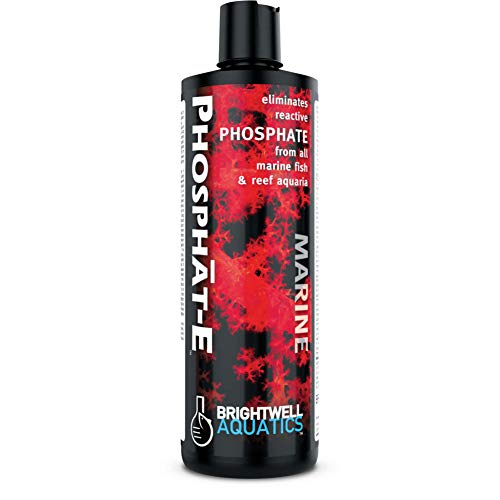
Best for: Small to mid-sized reef tanks needing quick phosphate reduction. Phosphat-E offers enhanced phosphate elimination to address elevated levels in heavily stocked systems while remaining safe for all tank inhabitants.
Why it’s selected: It targets reactive phosphate immediately and supports ongoing reduction, helping to maintain clearer water and healthier corals without drastic changes to routine. The product’s mechanism may interact with phosphate test kits, potentially causing false positives after treatment; this is normal and temporary.
Limitations to note: After dosing, slight cloudiness is common and should clear; test readings may lag or show temporary false positives due to the chemical changes introduced.
Brightwell Phosphat-E 8.45 Fl Oz

Best for: Larger reef systems or aquariums needing ongoing phosphate management. This larger bottle expands dosing intervals and supports long-term control in busy tanks.
Why it’s selected: Provides the same rapid phosphate reduction as the smaller bottle, with extended use for bigger systems. Useful for maintaining lower phosphate without frequent purchases.
Limitations to note: Similar to the smaller version, initial treatment may cause temporary cloudiness; rely on phosphate tests for monitoring rather than visual cues alone.
Brightwell Phosphat-E – Liquid Phosphate Remover
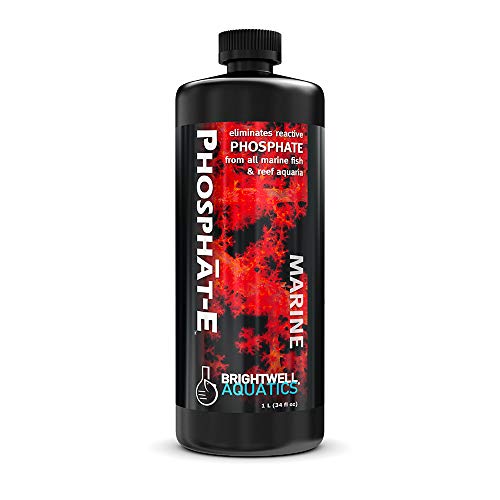
Best for: Readers seeking a standard liquid phosphate remover compatible with reef aquariums; suitable for routine maintenance and quick response to rising phosphate.
Why it’s selected: It delivers reliable elimination of reactive phosphate, helping maintain water clarity and coral health in typical reef setups.
Limitations to note: As with other liquid removers, expect possible temporary turbidity after dosing and verify results with a phosphate test kit.
Kolar Labs GFO Bayoxide E33 Phosphate Remover
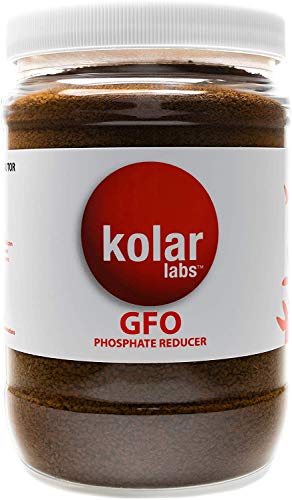
Best for: Hobbyists preferring a dedicated filtration media approach or systems with a functioning reactor. GFO is highly effective for sustained phosphate control.
Why it’s selected: Bayoxide E33 granules reliably bind phosphates, aiding long-term water quality. It’s compatible with both freshwater and saltwater tanks, reef tanks included.
Limitations to note: Requires a media chamber or reactor; performance depends on flow rate and contact with water. Regular replacement is needed as capacity is exhausted.
Aqua Algae Phos-Resolve Phosphate Remover

Best for: Large systems or tanks with high nutrient loads where lanthanum chloride-based removal is desired. Suitable for experienced hobbyists managing coral calcification needs.
Why it’s selected: The 15% lanthanum chloride formula binds dissolved inorganic phosphates on contact, promoting rapid clarity and nutrient reduction that skimmers and filters can remove efficiently.
Limitations to note: Requires careful dosing with a measuring cup and gradual introduction into a finer filter sock to avoid spikes in water chemistry.
Seachem PhosBond Phosphate Remover

Best for: Mixed reef and freshwater applications needing rapid phosphate and silicate removal. PhosBond is a compact media suitable for many standard setups.
Why it’s selected: Combines phosphate and silicate removal, helping prevent nuisance algae growth while supporting clearer water. This dual-action can simplify media planning in smaller systems.
Limitations to note: Media performance depends on contact time and flow; ensure your filtration setup allows for adequate exposure to the media. Avoid overstocking exposure that could starve beneficial bacteria if used excessively.
Buying Guide: Phosphate Removal for Reef and Marine Aquariums
What form should I use? Liquids are quick-acting and easy to dose, ideal for smaller or dynamic systems. Filter media (granules or solid media) provide continuous removal with a dedicated reactor or media chamber, which is great for larger or heavily stocked tanks. Some products combine both approaches, offering quick shifts and ongoing control.
How do I dose safely? Always follow product directions. Start with lower than recommended doses and test phosphate levels after 24 hours. Increase gradually if needed, watching for any signs of stress in corals or fish. For lanthanum-based products, precision dosing and slow introduction into filtration systems are critical to avoid sudden chemistry changes.
Can I use multiple products together? In many cases, you should not mix different phosphate binders simultaneously, as competing reactions can cause unexpected results. If you plan to switch products, flush and re-test water parameters before proceeding with a new regimen.
How often should I test phosphate? Regular testing is essential. In reef tanks, aim for low phosphate targets that support coral growth while preventing nuisance algae. Use a reliable phosphate kit and test after initial dosing to confirm the desired trend.
Which product is best for beginners? A ready-to-dose liquid like Brightwell Phosphat-E can be appealing for newcomers due to straightforward dosing. For ongoing filtration, a media approach such as Kolar Labs GFO Bayoxide E33 or Seachem PhosBond offers steady control with less frequent attention.
FAQ
- What is a safe phosphate level for reef tanks? Safe phosphate levels typically range from very low to undetectable in many reef systems; aim for minimal nutrient input to support coral growth without encouraging nuisance algae. Always refer to your specific coral requirements and test results.
- Will phosphate removers affect calcium or alkalinity? Most phosphate removers are formulated to target phosphates. Some products can cause brief changes in water clarity or test readings; monitor calcium and alkalinity as part of routine maintenance.
- How often should I replace GFO media? GFO media capacity varies with flow and load. Check manufacturer guidelines and inspect media for fines or bed compaction. Replace when phosphate removal slows or media appears exhausted.
- Can I use phosphate removers with dosing pumps? Yes, especially liquid formulations designed for controlled dosing. Ensure the pump delivers accurate volumes and avoid overdosing by calibrating the system with phosphate testing.
- Is Silicate removal important for reef tanks? In systems housing corals that require silicate or where diatoms proliferate, silicate removal can be beneficial. Some products remove both phosphates and silicates, potentially simplifying maintenance.
- How long does it take to see clearer water? Visible improvement can occur within hours to days, depending on dosing, tank load, and filtration efficiency. Allow time for skimming and filtration to work with the installed media.