Finding the right nano fish tank filter means balancing quiet operation, compact size, and effective filtration for tiny aquariums. This guide highlights compact, low-flow filters ideal for nano and pico tanks up to about 5 gallons, plus a few near-nano options. Each pick targets different needs: ultra-quiet hobbyists, shrimp-keepers, Betta tanks, and those who want easy maintenance in a small footprint.
| Product | Tank Range | Type | Best For |
|---|---|---|---|
| NICREW Slim Aquarium Filter | Up to 5 gallons | Ultra-compact nano tanks; peaceful shrimp or Betta setups | |
| Tetra Whisper 4i Internal Power Filter | 1–4 gallons | Small desktop tanks; simple maintenance | |
| DaToo Aquarium Hang On Filter | Up to 5 gallons | Quiet operation; beginner-friendly nano tanks | |
| UPETTOOLS Mini Aquarium Sponge Filter | Up to 5 gallons | Biological filtration; best for sparse setups or shrimp | |
| TWICEMET Hang On Back Filter | 2–10 gallons | Space-saving nano to small-tank systems; adjustable flow |
NICREW Slim Aquarium Filter for Up to 5 Gallons

Key features: Slim, compact design; quiet operation with adjustable flow; patent-pending priming system with auto restart after power loss. Best for nano or pico tanks where space is at a premium. This filter is ideal for shrimp or Betta tanks needing subtle filtration without drawing attention away from the aquatic scene.
Who it’s best for: Small shrimp, Betta, or planted nano tanks where a nearly invisible filter is preferred. Why selected: Its tiny footprint and quiet performance suit very small habitats without major tank disruption.
Caution: Up to 5 gallons only; ensure flow is set low to avoid stressing shy inhabitants.
Tetra Whisper 4i Internal Power Filter
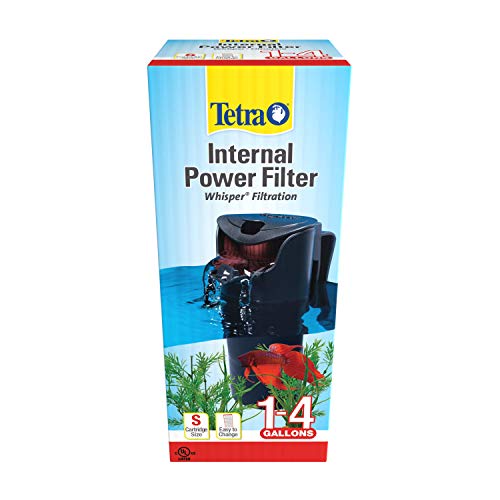
Key features: Internal 27 GPH motor; uses small Whisper BioBag cartridges; mechanical filtration via cartridge floss and activated carbon to reduce odors and discoloration. Best for very small tanks where internal placement keeps the filter out of view and easy to access.
Who it’s best for: Users with 1–4 gallon tanks who want a compact, self-contained filtration solution. Why selected: Simple cartridge change and reliable water turnover for tiny aquariums.
Caution: Design is internal; consider space inside the tank and the need for frequent cartridge changes in densely stocked micro-tanks.
DaToo Aquarium Hang On Filter
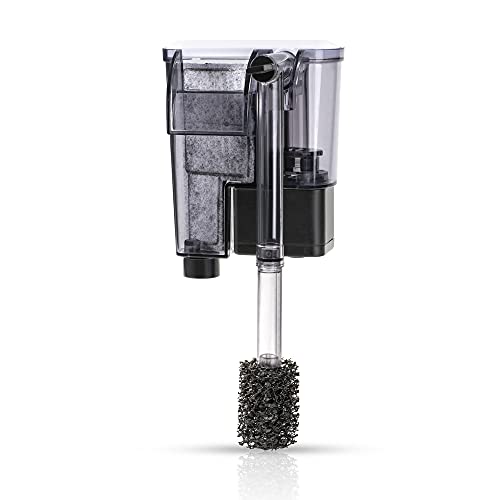
Key features: 2.5W pump; up to 42 GAL/H flow; whisper-quiet operation (≤35db); 100% activated carbon for odor removal and improved clarity; includes extra bio-foam to prevent small fish from being sucked in. Best for Betta or shrimp tanks seeking a robust yet quiet hang-on solution.
Who it’s best for: Hobbyists seeking a higher flow in a 3–5 gallon setup with low noise. Why selected: Notable filtration power for a nano tank that needs more turnover without bulk.
Caution: HOB design requires adequate mounting height; ensure the filter fits your tank’s back rim and clearance.
UPETTOOLS Mini Aquarium Sponge Filter

Key features: Sponge-based biological filtration with built-in air bubble stone and bio balls for tanks up to 5 gallons; compact design saves space; quiet, efficient operation without disturbing fish. Best for shrimp and fry-friendly setups where gentle filtration is preferred.
Who it’s best for: Shrimp keepers and breeders who need safe, surface-sparing filtration. Why selected: Biological filtration via sponge media promotes healthy microfauna with minimal current.
Caution: Requires an external air pump (not included); ensure air pump compatibility with your tank size.
TWICEMET Hang On Back Aquarium Filter

Key features: Designed for 2–10 gallon tanks; 3-stage filtration with bio sponge, high-density filter pad, and activated carbon; adjustable flow; transparent housing for media monitoring. Best for versatile nano-to-small setups needing visible media status and flexible flow control.
Who it’s best for: Aquarists with multiple small tanks or a slightly larger 2–5 gallon system that benefits from adjustable flow. Why selected: Clear media access and adjustable flow help tailor filtration to occupants and plant load.
Caution: While capable up to 10 gallons, flow management is essential to avoid overly strong currents in ultra-fine nano setups.
Buying Guide
Key questions to guide your choice:
- What tank size do you plan to filter? Nano tanks (1–5 gallons) require compact, low-profile devices with gentle flow.
- What inhabitants occupy the tank? Betta and shrimp prefer low flow; fry and densely stocked tanks may need higher turnover or additional filtration stages.
- Do you prefer internal, external, or sponge filtration? Internal and sponge filters minimize tank footprint, while HOB filters free internal space but require secure mounting.
- Is noise a priority? Look for filters advertised as whisper-quiet or with low decibel ratings for bedrooms and offices.
- How easy is maintenance? Consider cartridge changes, media visibility, and whether the design supports straightforward weekly upkeep.
FAQ
- What is the typical flow range for nano filters? Most nano filters range from roughly 20–60 GPH, with variability based on model and settings.
- Is a filter with carbon media necessary for a shrimp tank? Carbon helps odor and discoloration control, but shrimp prefer gentle filtration; balance media with biological filtration for best results.
- Can I use multiple small filters in one nano tank? Yes, but ensure the combined flow does not create too strong a current for sensitive inhabitants.
- Do nano filters require a power backup? Power interruptions can halt filtration; some models offer auto-restart features to resume operation after restoration.
- Are sponge filters better than HOB for small tanks? Sponge filters provide excellent biological filtration with very low flow and are ideal for shrimp and fry, while HOBs offer higher turnover in a compact package.
- How often should I replace filter media in a nano setup? Replacement frequency depends on media type and tank stocking; establish a maintenance schedule based on observed water clarity and odor.