Choosing the right live sand substrate can influence buffering, beneficial bacteria growth, and the overall aesthetics of a saltwater aquarium. The following selections emphasize natural aragonite content, bio-active substrates, and careful washing to protect water quality. Each option supports pH stability, nitrifying bacteria colonization, and a natural look that complements corals, fish, and macroalgae. The table below summarizes five strong contenders to consider.
| Product | Brand | Notes |
|---|---|---|
| Aqua Natural Oolitic Aragonite 10lb | Aqua Natural | Excellent buffering; 98% CaCO3; eco-friendly source |
| Aqua Natural Galaxy Sand Bio-Substrate 5lb | Aqua Natural | Seeded with nitrifying bacteria; quick cycle |
| CaribSea Super Naturals Sand Tan 10lb | Carib Sea | Natural tan color; safe, fine grain; pH support |
| Aqua Natural Oolitic Aragonite 20lb | Aqua Natural | Premium buffering; large 20lb bag option |
| LANDEN NanshaPure Natural Sand 11lbs | LANDEN | Stabilizes pH and KH; aragonite-based |
Aqua Natural Oolitic Aragonite 10lb Aquarium Sand

This oolitic aragonite sand is noted for its unsurpassed buffering capability, helping to keep pH around 8.2. It is 98% calcium carbonate with no impurities, sourced from a sustainable, naturally renewable deposit. The sand supports a natural substrate that benefits reef and marine tanks by promoting a stable, reef-like chemistry while offering a clean, appealing look to the aquarium bottom.
Ideal for reef systems and marine tanks, the fine to medium grain helps water flow to promote aerobic zones near the sand interface. The product’s high calcium carbonate content can support slow buffering against daily fluctuations, contributing to a consistent environment for corals and invertebrates. It’s suitable for established tanks and new setups seeking reliable alkalinity support.
Aqua Natural Galaxy Sand Bio-Substrate 5lb

Seeded with bio-active live nitrifying bacteria, this substrate aims to cycle an aquarium quickly by jump-starting beneficial microbial populations. The reported bio-activated bacteria support the establishment of a healthy nitrogen cycle, which is critical for maintaining stable ammonia, nitrite, and nitrate levels in saltwater setups. This substrate offers a ready-to-cycle advantage for new tanks or those needing a microbial boost.
With its bio-substrate design, it can be used as a primary substrate or mixed with other sands to achieve a layered aesthetic. It presents a natural look compatible with reef and fish-only systems, while contributing to overall water quality through microbial activity.
CaribSea Super Naturals Sand Tan 10lb

Designed to mimic natural freshwater riverbeds, this tan-toned sand creates a neutral backdrop that enhances plant and fish coloration. The fine grain texture is gentle on bottom-dwellers and helps prevent tripping or snagging on substrate. This sand also contributes to maintaining a stable environment by supporting a balanced pH in freshwater systems, making it versatile for mixed-species tanks that include live plants and delicate inhabitants.
CaribSea emphasizes a dye- and coating-free composition, ensuring a pure substrate that reduces potential contaminants and keeps the focus on natural aesthetics and a healthy substrate for beneficial bacteria and microfauna.
Aqua Natural Oolitic Aragonite 20lb Aquarium Sand
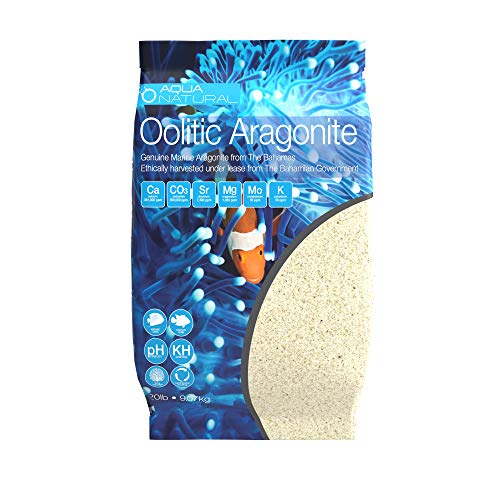
This larger 20-pound bag offers the same high-purity aragonite content and robust buffering properties as the 10-pound option. The sand’s structure supports a stable pH near reef-like conditions, aiding in maintaining alkalinity for coral health and overall tank stability. It is suitable for both new and established tanks, especially those designed to host reef species and invertebrates that benefit from stable carbonate levels.
As with other Aqua Natural sands, the material is sourced from sustainable deposits and is free from impurities. Its density and particle size provide a natural, aesthetically pleasing substrate that remains suitable for sand-sifting organisms and gentle filtration systems.
LANDEN NanshaPure Natural Sand 11lbs
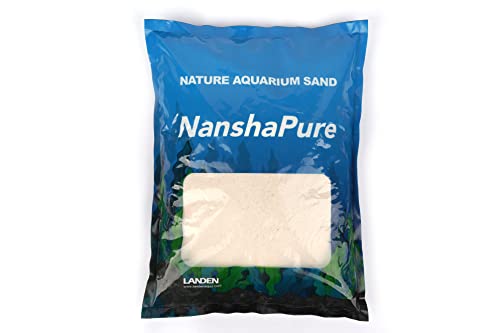
Stabilizing water quality is a primary feature of LANDEN NanshaPure sand. It offers an unparalleled buffering capacity for pH and KH, making it a practical choice for reef and hard-water systems where maintaining stable carbonate chemistry is important. The sand’s pores and surface area support efficient filtration by providing habitat for nitrifying bacteria while helping to adsorb impurities like chlorine and nitrite.
Made from aragonite calcium carbonate, this substrate is free from artificial coloring or preservatives. It is designed for marine aquascapes and can support a healthy environment for corals, invertebrates, and scavenging organisms, all while presenting a natural, visually appealing bottom layer.
Buying Guide: Key Purchase Considerations
- Buffering and pH stability: Look for high calcium carbonate content (around 90-100%) and aragonite composition to support steady pH and alkalinity essential for reef life.
- Grain size and texture: Fine-to-medium grains promote safe navigation for bottom-dwellers and support filtration; extremely fine sands can trap detritus, while coarser grains may affect water flow.
- Bio-active or seeded substrates: Substrates seeded with nitrifying bacteria can speed up cycling in new tanks or after water-quality disruptions, reducing the stabilization period.
- Purity and source: Choose sands with minimal impurities and no artificial coatings or dyes to protect water quality and reduce contaminant introduction.
- Tank type compatibility: Reef, mixed-reef, and fish-only systems may have different substrate needs. Reef tanks benefit from higher buffering; freshwater or brackish systems may prioritize pH stability and color neutrality.
- Bag size and economy: For larger tanks, consider bags that save on handling while delivering consistent grain quality and aragonite content; ensure storage is dry to avoid clumping.
- Maintenance implications: Some media support immediate bacterial colonization; others require conditioning and careful introduction to avoid ammonia spikes.
All options listed emphasize natural appearance, substrate safety, and compatibility with common saltwater and reef setups. When selecting, weigh buffering capacity against grain size, tank inhabitants, and whether you prefer a ready-to-cycle substrate or a substrate that requires a standard maturation period.