Floating aquatic plants add beauty, help regulate water quality, and create natural habitats for aquarium fish. This guide highlights top live floating aquarium plants that are easy to care for, visually appealing, and well-suited for a range of freshwater setups. Each option below includes practical notes on light, care, and how the plant benefits your aquarium environment.
| Product | Leaves/Quantity | Key Benefit |
|---|---|---|
| Aquarigram 40+ Leaves Red Root Floaters | 40+ leaves | Heavy-duty carpet of leaves; helps uptake toxins |
| 20+ Leaves Amazon Frogbit | 20+ leaves | Floating root system; strong bio-filtration |
| Red Root Floater Live Aquarium Plants | 50+ leaves | Vivid red underside; dense floating cover |
| Water Spangles – Salvinia Minima | 60+ leaves | Mat-forming carpet; low maintenance |
| Ultimate Floating Plant Bundle | Duckweed, Red Root Floaters, Salvinia | Diverse floating ecosystem; natural bio-filter |
Choosing the right floating plants depends on light, water flow, and how you want your aquarium to look. The following sections present five strong options, with practical notes to help you decide which combination best fits your tank size and residents. Each product section includes a quick summary of care needs and what makes it stand out for a floating plant setup.
Aquarigram 40+ Leaves Red Root Floaters

The Aquarigram Red Root Floaters provide a dense mat of foliage with a combined 40+ leaves, making them an excellent choice for quickly establishing a lush surface cover. The plant is notable for its ability to help balance water chemistry by absorbing ammonia, nitrates, and heavy metals. A mystery bonus plant is included, which can add variety to your floating display. In moderate to bright lighting, these floaters spread effectively, creating shade and shelter for fish while keeping the water visually appealing. Their rootless, floating habit reduces substrate requirements, but good surface light exposure remains important for robust growth.
Care considerations: They perform well under moderate to strong light and benefit from gentle water movement. Avoid strong surface agitation, as excessive movement can hinder leaf expansion. Regular partial water changes support consistent growth and health. The included bonus plant adds an element of surprise for hobbyists who enjoy expanding their floating flora over time.
20+ Leaves Amazon Frogbit

Amazon Frogbit, Limnobium Laevigatum, is a versatile floating plant that contributes to a steady, oxygen-rich surface and a robust root system that can trap debris, aiding in water clarity. The package includes a mystery bonus plant for added variety. Frogbit leaves are broad and rounded, providing a gently undulating canopy on the water surface that also gives fry and small fish a safe place to explore. In addition to aesthetic appeal, frogbit supports a balanced aquarium by participating in nutrient uptake and light diffusion on the surface.
Care considerations: Frogbit thrives with medium to bright lighting and appreciates some water movement, though excessive agitation should be avoided to prevent leaf damage. The plant is relatively forgiving of minor fluctuations in temperature, making it suitable for many tropical freshwater tanks. Regularly monitor for any signs of stunting or leaf yellowing, which can indicate nutrient imbalance or lighting that’s too intense.
Red Root Floater Live Aquarium Plants
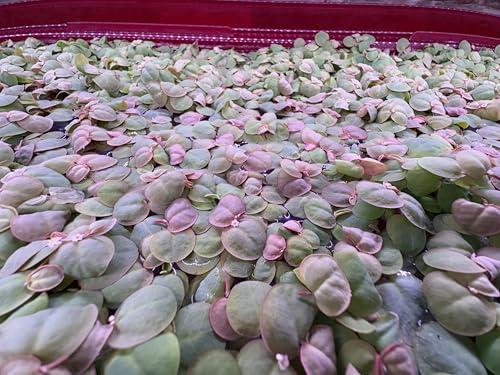
Red Root Floater (Phyllanthus Fluitans) stands out for its striking red-purple undersides and vibrant green tops. Packaged with 50+ leaves on a sturdy root-floating system, this plant creates a dense floating carpet that can help shade the water and reduce algae growth by limiting light penetration to depth. It thrives in moderate to high light, with a preference for calm, gentle water flow. The plant’s tendency to reduce surface motion helps maintain a calm aquarium environment, while its coloration adds a dynamic splash of color to the surface palette.
Care considerations: This species enjoys bright light, but avoid strong surface agitation. It performs well in standard tropical temperatures and responds positively to routine fertilization if your water is nutrient-limited. Watch for nutrient balance to keep the vivid coloration and prevent leaf edge burn. It’s an attractive choice for beginners and seasoned hobbyists alike, thanks to its easy propagation and visual impact.
Water Spangles – Salvinia Minima Floating

Salvinia Minima, commonly known as Water Spangles, forms a compact, dense floating mat that sits on the water surface. This plant is well-suited for small to medium tanks, creating a natural canopy that moderates light and supports a balanced micro-ecosystem beneath. It’s a low-maintenance option that often requires minimal fertilization beyond occasional nutrient supplementation, depending on your tank’s needs. Salvinia can quickly cover surface area, making it a popular choice for tanks needing rapid surface cover and a soft, decorative look.
Care considerations: Water Spangles prefer moderate to high light levels but tolerate a range of conditions. Avoid strong currents at the surface, which can dislodge the floating mats. Regular inspection helps prevent overcrowding, which may reduce gas exchange and light for lower layers of the tank. This plant pairs nicely with other floating species to create a varied surface texture and color palette.
Water Spangle, Salvinia Minima (12 Plants)

This listing provides a ready-to-use batch of Water Spangle Salvinia Minima with 12 plants and a sizable leaf count (60+ leaves). It offers a quick, efficient option for hobbyists who want to cover surface area fast or experiment with a layered floating canopy. The leaves form a tight, easy-to-manage carpet that helps shade the substrate and reduces light-driven algae growth. Like other Salvinia options, this plant thrives with stable light exposure and gentle water movement.
Care considerations: Maintain consistent temperature within tropical ranges and monitor for crowding. Salvinia is generally forgiving but benefits from periodic thinning to prevent stagnation and to sustain healthy growth across the surface. This option complements other floating species by adding texture and color variety to your floating aquascape.
Water Spangle, Salvinia Minima (24 Plants)

Another bulk option from Aquarist Plant Center provides 24 Water Spangle plants with a similar leaf-count feature of 60+ leaves. This larger batch is ideal for filling larger tanks or creating a multi-layered surface carpet with alternating textures. It’s particularly convenient for aquarists who want an immediate, dramatic surface coverage without individual plant selection. The plants are suited for low to medium light environments and appreciate calm water flow to maintain surface integrity.
Care considerations: Keep light levels steady and avoid abrupt changes in temperature. Salvinia Minima is resilient but progresses best with gentle water movement. By pairing this batch with other floating species, you can tailor the surface density and color balance to achieve a natural, thriving look in your aquarium.
Ultimate Floating Plant Bundle

The Ultimate Floating Plant Bundle combines duckweed, red root floaters, and salvinia to create a diverse floating ecosystem. This bundle is designed for hobbyists who want a natural, multi-layered surface with broad biodiversity benefits. Duckweed is notable for its bio-filtering efficiency, capable of processing significant water volume, which can help improve water clarity in small to medium tanks. The mix supports different plant textures and growth rates, offering a dynamic, living surface for fish and fry while acting as a natural filter and shade provider.
Care considerations: This bundle benefits from bright, indirect light and gentle water movement. Duckweed grows rapidly and may require thinning to prevent it from completely covering the surface and restricting gas exchange. Regular checks ensure balanced growth across species, maintaining a healthy floating habitat that complements the overall tank design.
Buying Guide: Key Purchase Considerations For Floating Aquarium Plants
- Lighting: Most floating plants prefer medium to bright light. Too little light can cause leggy growth, while too intense light may encourage algae and stress certain species. Plan for a lighting schedule that suits the tank residents and plant density.
- Water Flow And Surface Disturbance: Gentle surface movement supports healthy leaf expansion and nutrient uptake. Avoid strong currents that push plants beneath the surface or damage delicate leaves.
- Tank Size And Surface Coverage: Species differ in growth rate and leaf size. If your tank is small, start with a few plants and gradually expand. For larger tanks, consider bundles or multiple species to create depth and texture at the surface.
- Water Chemistry: Floating plants can help absorb ammonia, nitrates, and other compounds. Ensure your water parameters are within the suitable range for the chosen species and maintain regular water changes as needed.
- Compatibility With Fish And Inhabitants: Some fish nibble on or uproot floating plants. If you have herbivorous residents or a breeding setup, choose resilient species and monitor how they interact with the floating canopy.
- Maintenance: Plan for thinning, occasional fertilization (if needed), and monitoring for signs of nutrient deficiency or overgrowth. Mixed batches often require more management but provide greater ecological balance.
- Aesthetics And Growth Patterns: Red-root floaters, frogbit, and salvinia each offer distinct textures and colors. A diverse mix can create a visually appealing and functionally beneficial surface.
In summary, the recommended options above provide a range of care demands, visual effects, and ecological benefits. Whether you want a vivid red canopy, a dense green mat, or a mixed floating ecosystem, these live floating plants can enhance both the health and the look of a freshwater aquarium. Always begin with a monitor period to observe how new plants adapt to your specific tank conditions before expanding your floating plant population.