Answering the most common buyer questions, this guide highlights five live, freshwater crawfish-related options suited for home aquariums and ponds. These selections emphasize active color, compatibility, and ease of care. Ideal buyers include beginners seeking hardy invertebrates, hobbyists building diverse habitats, and keepers wanting natural bottom-dwellers. The following table summarizes the chosen products for quick reference.
| Product | Brand | Type | Best For | Notes |
|---|---|---|---|---|
| New 15 Baby Live Freshwater Clams (Pack of 15) | Live Florida Clams | Freshwater Clams | Small, filter-feeding invertebrates for bio-filtration | Active filter feeders; suitable for ponds and tanks with adequate filtration |
| Aquatic Arts – CPO Crayfish (Male/Female Pair) | Aquatic Arts | CPO Crayfish | Colorful, active bottom dwellers | Males/females pair; may eat dwarf shrimp; best with compatible tankmates |
| Kuhli Loach (3–4″) | Swimming Creatures | Loach | Peaceful bottom-dweller with eel-like movement | Best in groups; avoid aggressive tanks |
| Clarkii Crayfish (Orange Tangerine) | Bugs and More Store | Clarkii Crayfish | Vibrant color; active behavior | Requires hiding spots; may not be ideal with small shrimp |
| Lobster Crayfish (Blue) | Swimming Creatures | Crayfish | Colorful addition to freshwater tanks | Keep large enough tank and hideaways |
New 15 Baby Live Freshwater Clams: Ideal For Bio Filtration

Best for: hobbyists seeking natural filtration in small to medium tanks or ponds. These live invertebrates act as filter feeders, helping clear microalgae and particulates while contributing to the ecosystem’s balance. They thrive where water quality and substrate provide safe spaces to settle.
Why chosen: They expand biodiversity and support bio-filtering, offering a relatively low-maintenance addition for experienced and novice aquarists alike. Clams are most effective in stable environments with ample dissolved oxygen and gentle water flow.
Limitation: Ensure compatibility with tank mates that won’t harass or prey on them. Substitute habitats may require adjusted filtration and aeration to maintain suitable conditions.
Aquatic Arts CPO Crayfish (Pair): Colorful, Active Bottom Dwellers

Best for: aquarists wanting a striking, energetic bottom-dwelling species in community tanks with appropriate hiding spots. The CPO crayfish are notably vivid and active during light hours, adding movement and color to the tank.
Why chosen: This pair offers robust personality and a display-friendly appearance that can brighten a community setup. They are fully aquatic and adapt well to standard freshwater conditions with adequate hiding space.
Limitation: They may predate on very small dwarf shrimp. Bettas or highly territorial fish should be avoided as tankmates in some configurations to prevent conflicts.
Kuhli Loach (3–4 Inches): Peaceful Bottom Dwellers
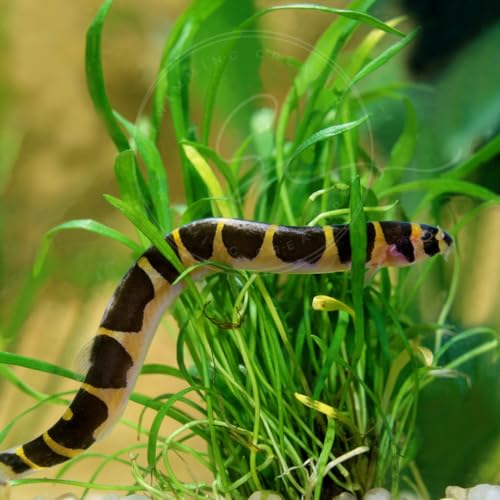
Best for: planted or community tanks seeking dynamic movement along the substrate. Kuhli Loaches are peaceful, social, and help stir the bottom while avoiding aggressive behavior towards inhabitants.
Why chosen: Their eel-like silhouette and nocturnal foraging add a unique dynamic without heavy bioload. They do best in groups, which reduces stress and encourages natural behavior.
Limitation: Avoid keeping alone or with aggressive fish; provide soft substrates to protect delicate barbels and ensure comfortable hiding spaces.
Clarkii Crayfish: Bright Orange Crayfish For Colorful Tanks

Best for: aquarists who want a striking orange-tangerine crayfish to serve as an active focal point in a species-appropriate tank. They bring bold color and interesting behavior to the aquarium floor.
Why chosen: The color contrast and proactive movement make Clarkii crayfish appealing in community setups with suitable companions. They require hiding spots and vegetation to mimic natural habitats.
Limitation: Their activity can clash with very small invertebrates; ensure tank mates align with the crayfish’s temperament and space requirements.
Lobster Crayfish (Blue): Colorful Freshwater Lobster Addition
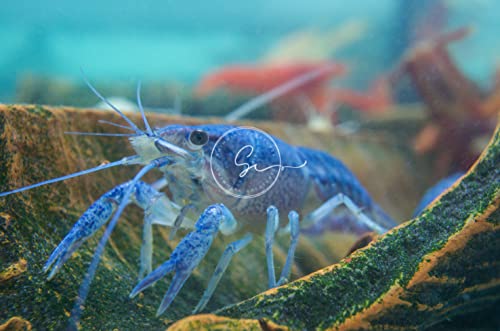
Best for: larger tanks where a bold, color-rich bottom-dweller can thrive with adequate shelter and stable water chemistry. Blue crayfish add drama to the display while remaining manageable with appropriate tank setup.
Why chosen: This species stands out visually and offers interesting behavior, making it a good choice for aquarists seeking a dynamic centerpiece. Adequate hiding spots help maintain harmonious interactions with other residents.
Limitation: Ensure tank size and filtration support the crayfish’s activity level; some aggressive tankmates can disrupt their space, and overly small tanks may lead to stress or conflict.
Buying Guide: Fresh Water Craw Fish And Invertebrates
What to consider when choosing live crawfish and related invertebrates:
- Tank size and setup: Many crayfish require ample space, rocky or planted environments with hiding spots to reduce stress and aggression toward tankmates.
- Species compatibility: Some crayfish may prey on dwarf shrimp or small fish; match with peaceful tankmates and avoid aggressive fish in the same habitat.
- Water parameters: Maintain stable temperature, pH, and dissolved oxygen appropriate to the species. Avoid sudden changes that stress invertebrates.
- Diet and feeding: Filter feeders, scavengers, and omnivores have different dietary needs. Provide a mix of appropriate foods and ensure not to overfeed, which can affect water quality.
- Lifecycle considerations: Some varieties require land or different care conditions; ensure the species you choose matches your tank’s environment and your maintenance routine.
Frequently Asked Questions
- What is the best beginner-friendly freshwater crayfish? Answer: Species like CPO crayfish are often recommended for beginners due to their hardy nature and tolerance of a range of conditions, provided they have hiding places and compatible tankmates.
- Can freshwater clams live with crayfish? Answer: In many setups, clams can share the tank with crayfish if the environment offers sufficient filtration, aeration, and space, though clams can be sensitive to strong currents and aggression.
- Do crayfish need land or water only? Answer: Most common aquarium crayfish are fully aquatic and do not require land; ensure the substrate is suitable and there is enough oxygen.
- How many hiding spots does my tank need? Answer: A general rule is multiple hiding places per crayfish, plus plants or rocks. This reduces stress and reduces territorial aggression.
- Are blue or orange crayfish harder to care for? Answer: Color variations do not inherently dictate care difficulty, but ensure you choose a species compatible with your tank size and residents, and provide proper filtration and hiding spots.
- What should I do if my crayfish is not actively moving during the day? Answer: Some crayfish are more active at night. Check water parameters for stability, and ensure there is enough oxygen and suitable shelter to reduce stress.