Choosing the right catfish adds personality and practical benefits to a community aquarium. The fish below are selected for peaceful temperaments, algae control, and compatibility with small to mid-sized tanks. Each entry highlights care basics, habitat needs, and feeding habits to help hobbyists maintain a healthy display. The following five products cover popular dwarf catfish species that appeal to beginners and seasoned aquarists alike.
| Product | Brand | Key Strength | Ideal Setup |
|---|---|---|---|
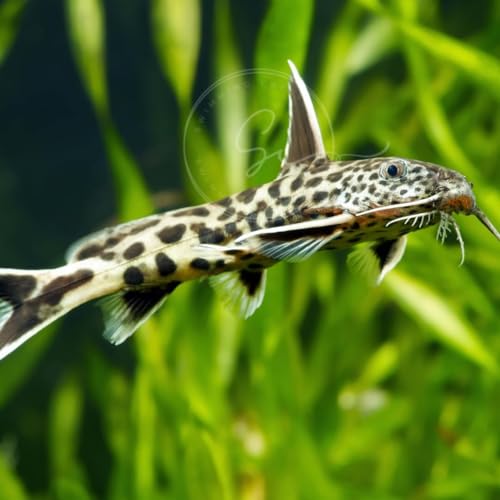
| Swimming Creatures 1 Dwarf Petricola Catfish (Synodontis lucipinnis) Live Tropical Freshwater Aquarium Fish | Swimming Creatures | Distinct spotted pattern, peaceful and social | Small to mid-sized tanks, hiding spots |
| Swimming Creatures 3 Otocinclus Catfish (1-1.5″) Freshwater Aquarium Fish | Swimming Creatures | Efficient algae control, peaceful community member | 10+ gallon tanks, groups |
| Swimming Creatures 6 Otocinclus Catfish (1-1.5″) Freshwater Aquarium Fish | Swimming Creatures | Larger algae-cleaning group, hardy | 15+ gallon tanks, small schools |
| Swimming Creatures 2 Dwarf Petricola Catfish (Synodontis lucipinnis) | Swimming Creatures | Peaceful, eye-catching pattern | Tank with hiding spots |
| Swimming Creatures 5 PCS Assorted Corydoras Mix | Swimming Creatures | Mix of Corydoras species, varied patterns | Soft substrate, plants, 10+ gallons |
Swimming Creatures 1 Dwarf Petricola Catfish

The Dwarf Petricola Catfish features a distinctive eye-catching spotted pattern and a peaceful, social demeanor. Typical tank setup emphasizes hiding spots with rocks, driftwood, or dense plants. They prefer temperatures around 72–82°F and a pH of 6.5–7.5. A varied diet includes sinking pellets, frozen foods, and occasional live treats. This species benefits from ample bottom interaction and secure caves or crevices to reduce stress.
Swimming Creatures 3 Otocinclus Catfish

Otocinclus catfish are small, peaceful algae eaters ideal for small community tanks. The listing specifies a 3-pack with an arrival guarantee, and fish size ranges from 1″ to 1.5″. They excel at scraping algae from tank surfaces and decorations while coexisting well with non-aggressive species. Best kept in groups, they require a minimum 10-gallon tank, pH 6.5–7.5, and a moderately hard environment. Diet should include algae wafers or vegetables in addition to their natural grazing.
Swimming Creatures 5 PCS Assorted Corydoras Mix

This Corydoras mix offers a variety of small Corydoras species, including popular options like Julii, Pygmy, Sterba’s, and more. They are peaceful bottom-dwellers suited for community tanks. Important notes include weather-related shipping considerations and the mixed assortment of species. They thrive in soft substrates and well-planted setups, with sinking pellets and vegetables as part of their diet. A 10-gallon minimum tank is suggested, and groups help reduce stress and encourage natural schooling behavior.
Swimming Creatures 1 Panda Corydoras & 1 Albino Corydoras
The Panda Corydoras and Albino Corydoras pair offers a distinctive bichromatic look and a peaceful temperament. They are small and ideal for well-maintained freshwater tanks with soft substrates and plenty of hiding spots. Care guidelines include a tank size of at least 10 gallons, water temperature around 72–78°F, pH 6.5–7.5, and a hardness range of 2–12 dGH. Popular diets include sinking pellets and fresh vegetables. They contribute to the tank’s activity along the bottom with natural foraging behavior.
Swimming Creatures™ 6 Otocinclus Catfish

This listing presents a larger Otocinclus group (6 fish), suitable for modest community tanks. They share the same fast algae-cleaning role as smaller Otocinclus, and they are described as hardy and adaptable. Tank requirements include a minimum of 15 gallons, pH 6.5–7.5, and moderately hard water. Like other Otocinclus, they should be kept in small groups to minimize stress, with a diet centered on algae wafers and vegetable matter.
Neat&Tidy Julii Cory Catfish (Pack of 6)

Julii Corys offer peaceful schooling behavior and striking black-and-white markings. They are beginner-friendly and generally compatible with a range of community fish. While they cohabit with larger shrimp, they may prey on smaller dwarfs if kept with tiny invertebrates. They prefer a well-planted tank with soft substrate and hiding places, a minimum of 10 gallons, and water at 72–78°F with pH 6.5–7.5. They contribute to bottom-dwelling activity and a lively distribution of patterning in the aquarium layout.
Buying Guide
Key purchase considerations help buyers pick catfish suited to their tanks and experience levels:
- Tank size and bioload: Catfish vary in space needs; some prefer larger tanks or groups, such as Otocinclus in multiples and Corydoras in small schools.
- Temperament and compatibility: Most listed species are peaceful, but interactions with snails, shrimp, or smaller invertebrates should be considered.
- Diet and feeding: Omnivorous catfish benefit from sinking pellets, vegetables, and occasional live foods; algae-eating species rely on consistent grazing.
- Water parameters: Maintain stable pH around 6.5–7.5; moderate hardness and appropriate temperatures (roughly 72–82°F) support most dwarf catfish.
- Tank setup: Provide hiding spots, dense plants, driftwood, and a soft substrate for Corydoras to forage safely.
- Shipping considerations: Weather-related shipping constraints may affect DOA claims; choose vendors offering safe insulation and guarantees.
- Grouping: Keep Otocinclus and Corydoras in small groups to reduce stress; avoid overcrowding by planning compatible species.