When choosing filter media for sump filtration, prioritize materials that maximize surface area, promote beneficial bacteria growth, and tolerate regular cleaning. This guide highlights five top options that fit common sump setups, from reef tanks to freshwater ponds. The right media helps reduce ammonia and nitrite, improve clarity, and support long-term fish health. This selection is best for hobbyists upgrading existing sumps, beginners building a new sump, and those wanting reliable, reusable media. For quick reference, a summary table of the featured products is provided below.
| Product | Best For | Key Benefit |
|---|---|---|
| Reefing Art Ceramic Bio Filter Media | Saltwater and freshwater sumps | Vast surface area for efficient bio-filtration |
| ALEGI Aquarium Sponge Filter Pad | Mech and bio filtration in budget setups | Durable sponge with easy cut-to-size options |
| AQUANEAT Bio Sponge Foam Pad | Custom sump or canister systems | Triple-density filtration for large and fine particles |
| Aquatic Experts Bonded Filter Pad | DIY filter pads, sumps, wet/dry systems | Durable, cut-to-fit pad with strong flow |
| hygger Filter Floss | Multiple filter types, easy to fit | Multi-layer microfiber for quick clarity |
Note: This article uses objective language and provides clear comparisons to help buyers choose media that fits their specific sump configuration and maintenance routine.
Reefing Art Ceramic Bio Filter Media For Sumps
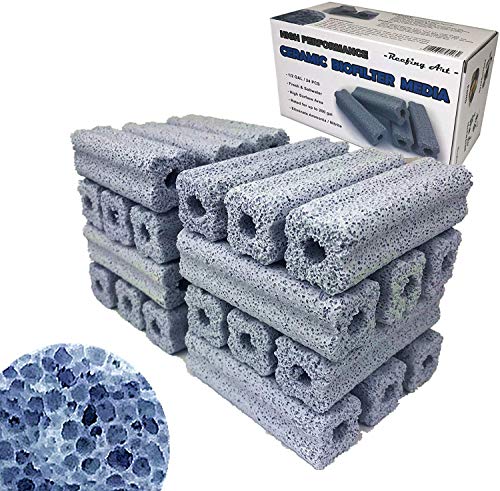
Best for: Saltwater or freshwater sumps requiring high bio-filtration capacity. This option features a vast internal surface area via porous ceramic pieces, designed to maximize beneficial bacteria housing. The box includes 24 pieces, offering scalable media volume per sump.
Why chosen: The ceramic structure increases contact between water and bio-media, enhancing ammonia and nitrite processing. It is well-suited for larger or heavily loaded systems where rapid nitrification support is needed.
Caution: Ceramic media can be brittle if dropped. Handle with care during cleaning and replacement to prevent cracks that reduce efficiency.
ALEGI Aquarium Sponge Filter Pad

Best for: Budget setups needing solid mechanical filtration plus basic bio filtration. The sponge pad can be cut to fit a variety of filter sizes, enabling simple integration into many sump configurations.
Why chosen: The high-density sponge offers reliable particle capture and easy replacement in maintenance cycles. It provides durable performance with straightforward installation, ideal for home aquariums seeking cost-effective media.
Caution: Overly dirty sponge pads can impede water flow; rinse or replace as part of routine maintenance to prevent flow restrictions.
AQUANEAT Bio Sponge Foam Pad For Sump

Best for: Moderately stocked aquariums that benefit from both mechanical and bio filtration. The set includes three foams with different densities, enabling staged filtration in a sump or other filtration systems.
Why chosen: The triple-density design traps large and small particles in combination, promoting clearer water and healthier microbial balance. It can be cut to fit and used in various systems, including pre-filters for sumps and canisters.
Caution: Cutting must be precise to avoid uneven edges that could reduce contact with water or create gaps in filtration.
Aquatic Experts Classic Bonded Filter Pad

Best for: DIY filter media projects or sumps that benefit from a durable, cut-to-fit pad. This blue and white polyester pad is designed to trap debris while maintaining water flow in both freshwater and saltwater tanks.
Why chosen: It offers a balance of strength and filtration efficiency, with a longer life than some cheaper pads. It is especially suitable for readers who want to combine with activated carbon or other media for a customizable filtration stage.
Caution: The color pigments can slightly influence water clarity if not rinsed well before initial use, so a thorough rinse is recommended.
hygger 1″ Thick Filter Floss For Sump And More

Best for: Sumps and canister systems needing fine mechanical filtration with easy cut-to-size customization. The multi-layer polyester fiber approach targets micro-particles that escape typical mechanical media.
Why chosen: The floss quality supports improved water clarity by removing small particles while maintaining a steady water flow. It blends well with other media to create a layered filtration strategy for comprehensive cleaning.
Caution: Very fine layers can clog more quickly than coarser media; regular inspection and timely replacement help prevent flow reduction.
ALEGI Ceramic Bio Filter Media, Small Pack

Best for: Freshwater aquariums and sumps requiring reusable media with high density. The smaller 54-piece pack is intended for flexible sizing and reusability in established setups.
Why chosen: Ceramic media can be cleaned and reused, reducing ongoing replacement needs. It supports long-term biological filtration in a stable environment and adapts to varying sump layouts.
Caution: Avoid overloading a sump with too many ceramic pieces at once; balance media types to prevent reduced water flow.
RAINFLOW Bio Balls For Sumps

Best for: Biological filtration in koi ponds, large freshwater tanks, and canister or sump systems needing robust surface area. The 100-piece set provides ample media to establish a strong nitrification base.
Why chosen: The internal cotton center and high-density polymer design promote surface area for bacteria while maintaining water flow and reducing debris buildup. It’s a low-maintenance choice for medium-to-large systems.
Caution: Clean the media before first use to minimize initial particulates; do not rely on rinsing alone if debris is present from packaging.
Buying Guide: Choosing The Right Sump Filter Media
What should you consider before buying?
- Tank type and inhabitants: Saltwater, freshwater, or pond setups influence media choice. Saltwater tanks often benefit from high-surface-area ceramic and media that support diverse bacteria.
- Filtration goals: Mechanical, chemical, and biological filtration roles vary by media. A layered approach can optimize clarity and stability.
- Media maintenance: Reusable media reduces long-term costs but may require more cleaning. Some media tolerate frequent washings better than others.
- Compatibility: Ensure media size, shape, and intended filter type (sump, canister, or hang-on) align with your system’s dimensions and flow rate.
- Ease of installation: Adjustable pads and cut-to-fit options simplify integration into custom sumps.
How to compare media effectively
- Surface area per volume: Higher surface area generally improves biological filtration capacity.
- Flow compatibility: Media should not overly restrict water flow; ensure you retain adequate turnover in your sump design.
- Durability: Look for materials that resist breakdown and decompose slowly to avoid particulates in the water.
- Cleaning and reuse: Reusability and ease of cleaning save time and money, especially in larger systems.
- Cut-to-fit capability: Flexible media reduces waste and helps tailor filtration to your exact sump footprint.
Maintenance tips
- Rinse media in tank water during water changes to preserve beneficial bacteria.
- Avoid using tap water with chlorine or chloramine to rinse biological media; use conditioned water if needed.
- Inspect media regularly for signs of clogging or degradation and replace as needed.
- Stagger media replacement to prevent sudden nitrification drops in established tanks.
Frequently asked questions
- What filter media is best for a new sump? A combination of mechanical and biological media—such as sponge pads for mechanical filtration and ceramic or bio balls for bio-filtration—provides a solid foundation.
- Can I mix media types in one sump? Yes. A layered approach (coarse to fine) supports sequential filtration and can optimize water clarity.
- How often should I replace filter media? Replacement frequency depends on media type, bioload, and maintenance schedule; use visible signs of clogging or reduced flow as cues.
- Is reusable media worth it? Reusable media reduces ongoing costs and waste, but requires proper cleaning and inspection to maintain effectiveness.
- Do I need chemical filtration media in a sump? Chemical media (like activated carbon) can be added for specific issues, but biological and mechanical media are essential for fundamental filtration.