Answering the search for affordable RO systems, this guide highlights cost-conscious reverse osmosis setups that still deliver strong filtration. It targets homeowners seeking reliable under-sink filtration without premium price tags, and small-office users who want easy installation. The top picks emphasize practical filtration stages, easy maintenance, and clear indicators. Read on to compare five budget-friendly options, each explained with pros, limits, and suitable buyers. A quick summary table follows to help you decide at a glance.
| Product | Best For | Key Benefit | Limitation |
|---|---|---|---|
| Waterdrop G3P600 | Families needing multi-stage filtration | Tankless design with smart faucet and TDS monitoring | Higher upfront cost than some basic models |
| FS-TFC 5-Stage RO | Budget-conscious households | High contaminant removal with compact size | Standard faucet, no mineral boost |
| APEC RO-90 | Users prioritizing reliability | High-quality components with strong impurity reduction | Basic aesthetics, no alkaline remineralization |
| Waterdrop G2 | Quick setup fans | Tankless, 400 GPD and 1:1 drain ratio | Involves standard installation steps |
| Aquatic Life RO Buddie | Aquarium enthusiasts | RO/DI suited for fish tanks and small water features | Designed for aquarium water; not a domestic drinking setup |
Waterdrop G3P600 Reverse Osmosis System

The Waterdrop G3P600 is a tankless RO system with eight filtration stages and a smart faucet. It carries NSF/ANSI 42, 53, 58, and 372 certifications, signaling chlorine and heavy metal reduction, lead-free materials, and overall safety. It reduces TDS and offers a 2:1 pure-to-drain ratio. A smart display faucet shows real-time water quality and filter life. Best for buyers who want thorough filtration, lead safety, and an at-a-glance health check for drinking water. Caution: higher upfront cost and more complex installation than basic units.
iSpring RCC7AK-BLK 6-Stage RO System

The iSpring RCC7AK-BLK provides an alkaline remineralization stage within a six-stage RO setup. It reduces more than 1,000 contaminants—including lead, arsenic, PFAS, fluoride, and chlorine—while restoring minerals for better-tasting water. It ships with a stylish black RO faucet. Best for buyers seeking mineral-rich, balanced hydration and a visually appealing faucet. Limitation: slightly more maintenance due to extra remineralization stage.
FS-TFC 5-Stage RO System
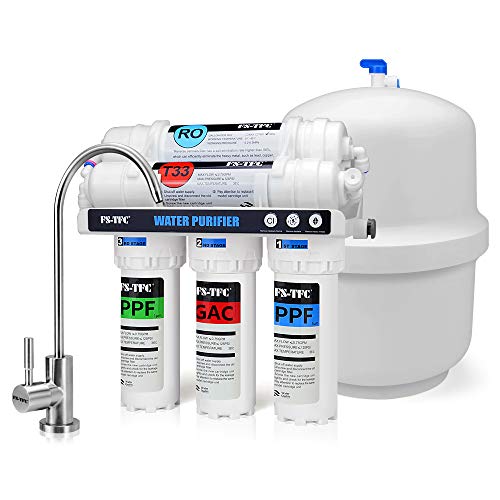
This FS-TFC model emphasizes ultra-high contaminant removal with 99.999% reduction across 1000+ impurities. It uses a compact design suitable for under-sink installation, with a full-flow rate around 18 L/hour and a 10-minute DIY setup. Best for households needing strong filtration in a small footprint and customers who value quick DIY installation. Limitation: standard filtration without remineralization can lead to less mineral-rich water unless you add a separate remineralization stage.
Aquatic Life RO Buddie 4-Stage (RO/DI)
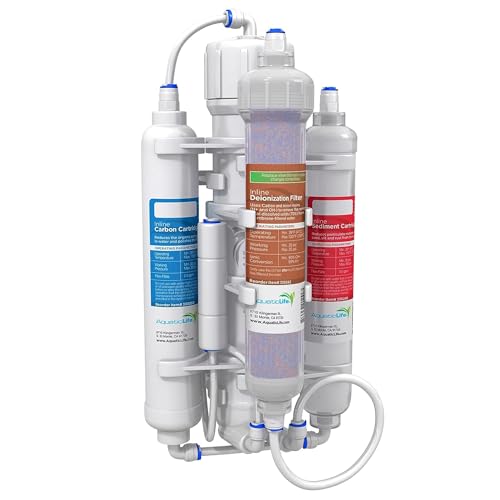
The Aquatic Life RO Buddie is designed for aquarium use, delivering clean water by removing debris with a 4-stage RO/DI setup. The sediment filter targets dirt and silt, while the carbon block reduces chlorine and odors, making water safer for fish and plants. Best for hobbyists needing RO filtration for tanks, fountains, and humidifiers. Limitation: not intended as a drinking water system for households.
APEC Water RO-90

The APEC RO-90 is a 5-stage under-sink RO system focused on producing high-quality drinking water with strong impurity reduction. It’s WQA-tested and NSF-certified components help ensure reliability and longevity. Best for buyers who want proven performance with straightforward maintenance and a clean, compact look under the sink. Limitation: may lack advanced remineralization features found in premium units.
Waterdrop T4-A Alkaline pH+ RO
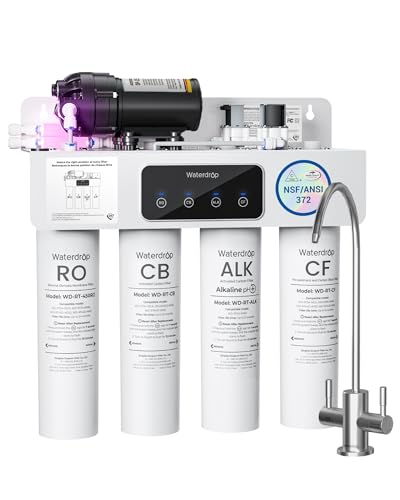
The Waterdrop T4-A provides dual water flow options: standard RO and mineral-enhanced alkaline streams. It uses 10-stage filtration with a 450 GPD capacity and a 2:1 pure-to-drain ratio. Best for households wanting both filtered and alkaline water in one system, and for those who can accommodate the electrical connection required for operation. Limitation: faucet installation requires countertop drilling, which may be a consideration for renters.
Buying Guide: Key Considerations For Budget RO Systems
- Filtration Stages: More stages generally improve impurity removal but can increase price and maintenance. Balance 5-6 stages with your budget and water quality needs.
- Tankless vs. Tanked: Tankless models save space and can provide faster water with a higher initial cost. Tanked systems are easier for some DIY setups.
- Remineralization: If you want mineral-rich water, consider systems with alkaline or remineralization stages. Otherwise, you may add a separate mineral cartridge later.
- Water Waste Ratio: Look for low drain ratios (e.g., 1:1 or 2:1) to reduce wastewater. Higher ratios waste more water.
- Certifications: NSF/ANSI 42, 53, 58, 372 indicate chlorine reduction, contaminants, lead-free materials, and overall safety. Certifications help verify performance.
- Faucet Design: Some systems include stylish or smart faucets with TDS monitors or life trackers. Consider aesthetics and digital features that aid maintenance.
- Installability: Check included fittings, hoses, and DIY instructions. Measure under-sink space to ensure fit, especially for compact kitchens.
- Maintenance & Replacement: Factor filter life, filter costs, and ease of replacement. Transparent housings can aid quick visual checks.
Frequently Asked Questions
- What is a good pure-to-drain ratio for an RO system?
A ratio of 1:1 to 2:1 is common; lower drain ratios save water but may require more precise installation and higher quality membranes. - Do budget RO systems remove contaminants effectively?
Yes, most budget models target chlorine, lead, arsenic, fluoride, PFAS, and other common contaminants, though performance varies by model and water quality. - Is remineralization important for drinking water?
Remineralization adds minerals for taste and balance. If a unit lacks it, you can add a remineralization cartridge separately or choose a model with built-in alkaline remineralization. - Can I install an RO system myself?
Many budget units are designed for DIY installation with standard fittings. Some may require basic plumbing tools and careful alignment under the sink. - What maintenance is typical for RO systems?
Replace pre/post filters as recommended, monitor the membrane life, and check for leaks. Some units provide filter life indicators on the faucet. - Are RO systems safe for drinking water?
When properly installed and maintained, RO systems consistently reduce a broad range of contaminants, providing safer drinking water.