For aquarium hobbyists, choosing the right activated carbon is essential to keep water clear and odors under control. This guide focuses on practical, widely available charcoal media that suit common freshwater and reef setups. The top picks below are best for removing discoloration, odors, and dissolved impurities, helping maintain a stable, healthy tank. Each product is evaluated for typical tank sizes, ease of use, and potential caveats. Ideal buyers include beginners building a new setup, intermediate keepers maintaining water quality, and anyone seeking a quick odor/appearance improvement.
| Product | Best For | Notes |
|---|---|---|
| Marineland Black Diamond Premium Activated Carbon | General freshwater and small tanks | Long-lasting, odor and discoloration removal |
| Fluval Carbon Filter Media (A1440) | Versatile with Fluval filters | High surface area; remove during meds |
| Marineland Diamond Blend (Ammonia-Neutralizing) | Freshwater tanks with ammonia concerns | Carbon + Zeolite blend for ammonia control |
| Aquatic Experts Premium Activated Carbon | High-clarity setups | Bulk, fine mesh compatibility; fast adsorption |
| Fluval Activated Carbon (Replacement Media) | All-in-one carbon media | Premium carbon with strong contaminant uptake |
Below are five selected products. Each entry includes what type of buyer benefits, key strengths, and a practical note to help you pick the right media for your aquarium.
Marineland Black Diamond Activated Carbon

Best for: general freshwater systems and beginners seeking straightforward odor and discoloration control. This carbon is heat-activated, bituminous coal-based and designed to keep working longer than many standard carbons. It is a solid all-around choice for standard filtration setups and regular water refreshes.
Why selected: It emphasizes efficiency and extended filtration life, which helps maintain clear water with less frequent changes. A potential limitation is not optimized for use during medication treatments, so plan to remove media during those periods.
Tip: Pair with a good mechanical filter stage and monitor water clarity after media changes to gauge replacement timing.
Fluval Carbon Filter Media (A1440)
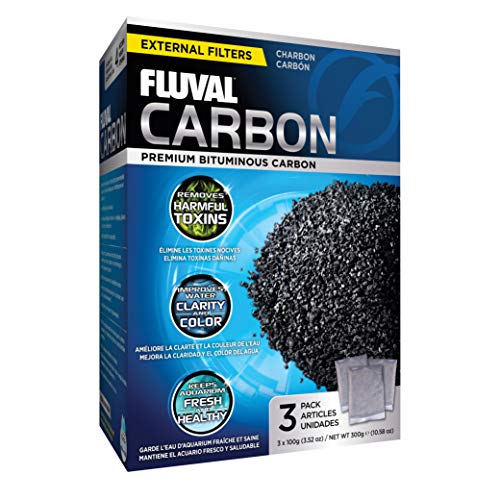
Best for: Fluval brand filter users seeking compatible, high-surface-area carbon. Each pack includes carbon that supports water clarification and odor removal. It’s versatile across many Fluval models, making it a convenient swap-in option.
Why selected: The media’s porous composition provides substantial adsorption capacity for dissolved impurities. Limitation: Not recommended during medication dosing unless specified by Fluval, as medications can bind to carbon and reduce effectiveness.
Marineland Diamond Blend Filter Media

Best for: freshwater tanks that struggle with ammonia and organic buildup. This media blends activated carbon with zeolite to help remove ammonia while adsorbing other impurities.
Why selected: The ammonia-neutralizing capability adds an extra line of defense in new tanks or systems with higher waste production. Caution: Replacements and resealing should be done as directed to maintain performance; excessive handling can reduce effectiveness.
Aquatic Experts Premium Activated Carbon
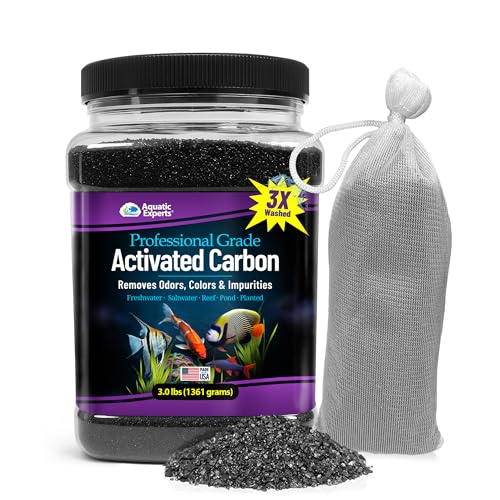
Best for: aquarists needing rapid odor and discoloration control in varied-water environments. The carbon is described as having undergone deep cleaning to enhance pore openness for faster adsorption of toxins and impurities.
Why selected: The media has a large internal surface area, which can improve overall water clarity quickly. Limitation: It’s important to wash the carbon well before use and avoid overloading the filter to prevent channeling.
Fluval Activated Carbon Replacement Media (A1377)
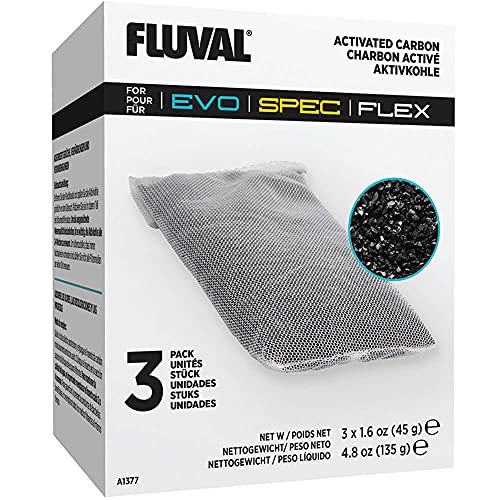
Best for: users of Fluval’s Evo/Spec/Flex series seeking a ready-made replacement carbon pack. It helps remove heavy metals, odors, and discolorations for clear water.
Why selected: The media is designed to maximize surface area for efficient absorption, contributing to consistently crystal-clear aquarium water. Limitation: Do not rely on carbon alone for complete water quality control—combine with mechanical and biological filtration.
Buying Guide: Charcoal For Fish Tanks
What to consider when choosing carbon
- Filter compatibility: Ensure the carbon media fits your filter model or cartridge system.
- Activation and pore structure: Heat-activated carbons with clean pores perform better at adsorbing impurities.
- Discoloration and odor removal: If your tank frequently develops yellowing or smells, a higher-porosity carbon is advantageous.
- Use with medications: Some carbons bind medications; remove media during treatment unless the product specifies compatibility.
Wet vs dry handling and rinsing
Most activated carbon media arrive as loose pellets or granules. Rinse lightly before first use to remove dust and reduce cloudiness. Avoid aggressive rinsing that could compact the media or cause dispersion in the filter.
Choosing by tank type and size
Smaller tanks benefit from compact carbon packs with easy replacement schedules. Larger setups may require high-capacity media or multi-bag configurations to maintain water clarity between changes.
Maintenance and replacement frequency
Replace carbon media according to manufacturer guidance or when you notice diminished water quality. Do not rely on carbon alone for long-term filtration; pair with biological and mechanical filtration for balanced results.
Practical quick-reference
- Best overall for beginners: Marineland Black Diamond Activated Carbon
- Best for Fluval users: Fluval Carbon Media (A1440)
- Best ammonia control: Marineland Diamond Blend
- Best bulk option: Aquatic Experts Premium Activated Carbon
- Best replacement pack: Fluval A1377 Activated Carbon
FAQ
- Q: Can I use carbon twice? A: Reuse is not recommended; regenerated carbon loses efficacy and can harbor toxins.
- Q: Should carbon be used in a high-tech planted tank? A: Carbon is often avoided during fertilization or plant dosing; remove during treatments as needed.
- Q: How long does carbon typically last? A: Replacement timing depends on bioload, tank size, and flow; monitor water clarity and odor.
- Q: Can carbon remove medications from water? A: Yes, some medications are adsorbed; follow product guidelines and dosing strategies.
- Q: Is more carbon better? A: No; excess carbon can reduce flow and effectiveness. Use the recommended amount for your filter.