Explore top carpet plant options that create a vibrant, lush foreground in freshwater tanks. The following selections focus on slow-growing or fast-spreading carpet plants sourced from reputable sellers, with emphasis on germination, growth rate, and compatibility with common aquarium substrates. Below is a quick overview of the five chosen products and their standout traits.
| Product | Brand | Key Benefit | Growth Pace |
|---|---|---|---|
| LUKAWES 2 Pack Aquarium Plants S.e.e.ds for Fish Tank | LUKAWES | High germination, vibrant foreground carpet | Fast to moderate |
| 2 Pack Aquarium Plants S.e.e.ds Easy to Grow | LUKAWES | Very high germination, rapid dense carpet | Fast |
| 4 Pack Aquarium Plant S.e.e.ds (ZQV-005) | ZUQOVI | Multiple leaf forms for varied texture | Moderate |
| Dwarf Hairgrass Eleocharis Parvula (Tissue Culture) | Generic | Safe, sterile culture for carpet grass | Moderate |
| Micranthemum Micranthemoides Pearlweed Tissue Culture | PLANTEREST | Classic carpet species with compact growth | Moderate |
LUKAWES 2 Pack Aquarium Plants S.e.e.ds for Fish Tank

The LUKAWES mini leaf plants are designed for foreground decoration and can create a vivid carpet in the aquarium. Each pack weighs about 0.36 ounces, with a germination rate reported above 90%. These specimens are tested and widely used to add color and life to tanks. They are described as easy to grow and suitable for standard substrates, supporting a lush fill along the front of the tank.
2 Pack Aquarium Plants S.e.e.ds Easy to Grow for Fish Tank

These seeds are highlighted for exceptionally high germination rates (reported over 95%). They are promoted as fast-growing with the potential to form lush underwater lawns within a few weeks under appropriate lighting and nutrients. The emphasis is on easy maintenance and strong visual impact in the foreground, making them a popular choice for new and experienced aquarists alike.
4 Pack Aquarium Plant S.e.e.ds (ZUQOVI)

ZUQOVI’s set combines four bags with diverse leaf types, designed for varied texture and density in carpet formations. The packaging notes a high sprouting rate for the larger leaf and strong performance for other leaf types, with an emphasis on ease of growth and compatibility with multiple substrate types. It is positioned as a practical way to build a lively underwater lawn.
Dwarf Hairgrass Eleocharis Parvula (Tissue Culture)

This species is a staple for carpet effects, offered as a tissue-culture plant. The description highlights a sterile, pest-free origin and a nutrient-rich growth environment in gels that help establish healthier juveniles. It’s particularly suitable for foreground planting in both small and large tanks, contributing a soft, grassy carpet that sways with water movement.
Micranthemum Micranthemoides Pearlweed Tissue Culture
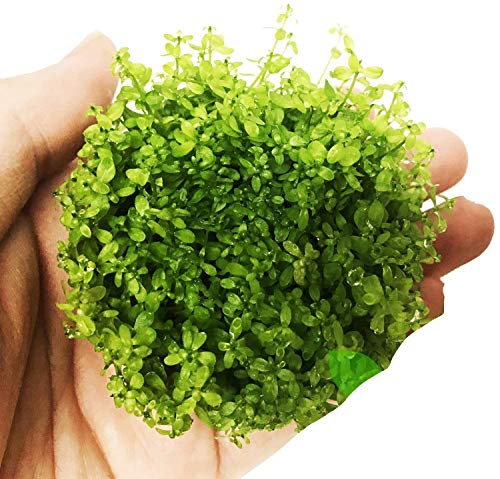
Pearlweed is a popular carpet plant known for its compact, rounded leaves that create a bright, textured carpet. The tissue culture format aims to minimize contaminants and promote a clean start for aquariums. It’s described as an attractive option for foreground layers, blending well with other carpet species and providing a steady, even cover along the substrate.
Buying Guide: Key Purchase Considerations For Aquarium Carpet Seeds
- Germination and health: Look for suppliers listing germination rates and disease-free guarantees. Seed-like products or tissue-culture options often promise cleaner starts than some loose plant bundles.
- Growth rate and maintenance: Carpet plants vary from fast-spreading to slow-propagating. Consider your tank size, lighting, and nutrient plan to match the growth pace with maintenance capacity.
- Substrate compatibility: Most carpet species thrive in nutrient-rich substrates but can also perform in basic gravel with adequate fertilization. Ensure substrate depth supports root establishment.
- Lighting needs: Foreground carpeting typically requires moderate to high lighting. If your tank uses low light, choose evergreen options with slower growth to prevent thinning or alga buildup.
- Compatibility with fish and invertebrates: Some plants may be sensitive to certain fish behaviors or react to grazing. Verify ease of acclimation and any special handling notes in product details.
- Maintenance routine: Regular pruning and occasional nutrient boosts help preserve a dense carpet and prevent overgrowth that shades lower leaves.
- Water quality and temperature: Most carpet species prefer stable temperatures and clean water. Sudden fluctuations can stress plants and slow establishment.
- Packaging and sourcing: Tissue-culture and seed-like formats minimize pest risks. Check shipping notes for storage guidelines or special conditions (e.g., ice packs in extreme weather).
- Cost and availability: Carpet plants vary in price and restock frequency. Balance upfront cost with long-term growth expectations and tank plans.
- Tank size and foreground design: Plan the carpet density to fit your tank’s dimensions, considering openings for movement, filtration, and fish activity.