Finding the right carbon filter media can dramatically improve water clarity, odor control, and overall tank health. This guide highlights five effective options for a range of filter models and tank sizes. It is best for hobbyists who want reliable chemical filtration without frequent maintenance. The top picks balance impurities removal with ease of use, making them suitable for beginners and seasoned aquarists alike. Below is a concise buying table to help you compare key points at a glance.
| Product | Best For | Type | Notes |
|---|---|---|---|
| Fluval Carbon Filter Media (A1440) | Fluval canister and filter users | Premium bituminous carbon inserts | Low-ash, high surface area; remove during medication |
| AQUANEAT Activated Carbon Pad | DIY and flexible fit for multiple filters | Pad filter media | Cuts to fit; traps odors and pollutants |
| Aquatic Experts Carbon Pad (10.5″ x 36″) | Bulk, cut-to-fit needs | Carbon-infused filter pad | Eliminates odor and discoloration; bulk-friendly |
| Fluval Spec/Evo/Flex Carbon (A1377) | Fluval compact systems | Replacement media | Removes heavy metals and pollutants |
| AquaClear 70 Carbon Inserts (A1386) | Fluval 70 and compatible systems | Activated carbon inserts | Crystal-clear water; caution with medications |
Fluval Carbon Filter Media for Aquariums
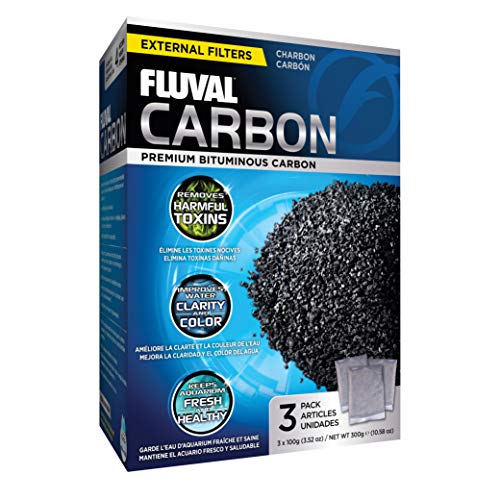
Best for Fluval filter users who want reliable, research-grade carbon. These premium bituminous inserts are designed to fit Fluval models such as 106, 206, 306, 406, FX5, and more. The media provides substantial surface area to absorb impurities, odors, and color. A key advantage is compatibility with multiple Fluval canister and power filters, simplifying replacements across different tanks or upgrades. A potential limitation is the need to remove carbon when administering medications to avoid binding or interference with treatment.
Who it’s best for: hobbyists running Fluval canister systems and looking for consistent chemical filtration without custom modifications. Why selected: proven composition, large surface area, and broad model compatibility. Practical tip: avoid using during medication periods unless your treatment plan permits temporary filtration removal. The product is sold as a complete pack of three, offering cost efficiency per change.
AQUANEAT Activated Carbon Filter Media Pad

Better for flexible tank setups and DIY filtration, this pad effectively traps particles, odors, and pollutants while allowing easy sizing. The cut-to-fit design is compatible with many filter types, including canister, hang-on, wet/dry, and pond filters. It’s well-suited for both freshwater and saltwater environments. A limitation is that pads may require more frequent replacement in high-usage tanks to maintain optimal clarity. It’s a practical choice for users who want to avoid mess from loose carbon pellets.
Who it’s best for: aquarists with diverse filters seeking a simple, ready-to-cut solution. Why selected: eliminates carbon dust, reduces handling mess, and can be trimmed to fit unusual filter shapes. Note: bulk purchasing can reduce costs but ensure you cut carefully to fit exactly to avoid bypass channels.
Aquatic Experts Carbon Pad – Cut-to-Fit

Choose this if you want a flexible, pad-style carbon media that is easy to shape for nearly any filter. The carbon pad helps remove odors and discoloration while trapping residual medications and toxins. The product emphasizes a thin coating that increases surface area for filtration efficiency. A caution: pads can wear unevenly in high-flow systems, potentially requiring more frequent trimming and replacement than granular media.
Who it’s best for: users seeking a universal carbon pad that can be customized to fit unusual filter footprints. Why selected: straightforward replacement, reduces carbon dust, and supports both fresh and saltwater setups. Tip: periodically rinse and inspect the pad for any fraying edges that could bypass filtration.
Fluval Spec/Evo/Flex Activated Carbon
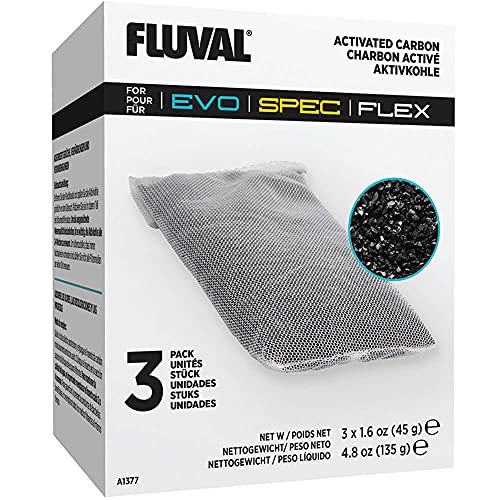
Best for Fluval mini-to-mid range kits, this replacement media delivers chemical filtration with a large surface area. It’s designed to remove heavy metals, odors, discoloration, and pollutants, supporting crystal-clear water. The carbon’s porous structure enhances absorption capacity, which helps maintain water quality between maintenance intervals. A limitation is the need for periodic replacement to maintain effectiveness and to prevent breakthrough of impurities.
Who it’s best for: owners of Fluval compact systems who want convenient, compatible carbon inserts. Why selected: strong filtration performance for small-to-medium tanks; helps sustain water clarity in busy bioload situations. Choose this if you operate Fluval S/E/F models and prefer factory-matched media for predictable results.
AquaClear 70 Activated Carbon Inserts

Best for Aquatic setups using the AquaClear 70 filter line, these inserts provide powerful chemical filtration for tanks up to 70 gallons. They are made from premium low-ash carbon with a porous structure that efficiently absorbs toxins, odors, and discoloration. The medium also helps improve overall water clarity. Caution: remove during medications to avoid interference with treatment and color changes when plants are present in the tank.
Who it’s best for: AquaClear 70 users seeking strong chemical filtration and compatibility with larger tanks. Why selected: proven design for AquaClear systems and reliable filtration. Tip: pair with mechanical filtration for best results and rotate media changes to maintain performance.
Buying Guide: Carbon Filter Media For Fish Tanks
- What to look for in carbon media: surface area, pore structure, ash content, and compatibility with your filter type. Higher surface area generally means better adsorption of impurities, but ensure flow remains adequate for your system.
- Pad vs. pellet vs. block: pads and pads-like media are easy to customize to fit various filters; pellets and blocks offer high density but can be harder to fit precisely without bypass gaps.
- Replacement frequency: more bioload and higher filtration demand mean more frequent changes. Follow manufacturer guidelines and monitor water clarity to schedule replacements.
- Medication considerations: carbon can adsorb medications; remove media during treatment and reintroduce after treatment is complete to avoid neutralizing therapy.
- Tank size and filtration type: match media to the filter model and tank volume. Larger tanks and canister systems generally benefit from higher-capacity media with robust adsorption.
- Maintenance routine: rinse media gently before installing and avoid grinding carbon dust into the aquarium. Replace media as recommended rather than waiting for visible issues.
Frequently Asked Questions
- Why should I use carbon filter media in my fish tank? It removes odors, discoloration, and impurities, improving water clarity and overall habitat quality.
- Can carbon interfere with medications? Yes, carbon can adsorb medications; remove media during treatment and re-install after completion.
- What type of carbon is best? Premium, low-ash carbon with high surface area typically offers better adsorption and longer life between changes.
- How often should I replace carbon media? Replacement frequency depends on bioload, tank size, and filter type; follow product guidance and monitor water.
- Pad vs. loose carbon—what’s easier? Pads are easier to fit and cleaner to handle, while loose carbon offers flexible shaping in custom filters.
- Is carbon effective for both freshwater and saltwater? Yes, carbon media works in both, but confirm compatibility with your specific filter and tank inhabitants.