Black lava rock adds dramatic contrast and natural texture to freshwater and planted tanks. The porous surface not only enhances visual appeal but also nurtures beneficial bacteria, supports bio-filtration, and provides hiding places for fish and shrimp. This guide reviews carefully selected lava rocks sized for different aquariums, weighing pros and cons, and how to prep them for safe use. Each product below is designed to blend aesthetics with practical filtration and habitat benefits.
Summary of chosen products:
- KingRui Black Lava Rock Natural Volcanic Stones 4"-6" — 5lb, 3pcs
- KingRui Black Lava Rock Natural Volcanic Stones 4"-7" — 8lb, 5pcs
- Fiscape 2-6 Inches Large Natural Black Lava Rock — 4 pcs
- Tfwadmx 10 Pack Aquarium Black Lava Rock — 1.96"-3.14"
- YISZM Black Horticultural Lava Rocks for Plants — 2lb (or 5lb options)
KingRui Black Lava Rock 4"-6" (5lb, 3pcs)

These 100% natural volcanic lava rocks deliver a rugged, porous texture ideal for aquariums, aquascaping, and decorative landscaping. The rocks are sized in the 4 to 6-inch range, making them suitable for mid-to-large tanks or as focal landscape features. Their porous surface promotes bio-filtration by improving water circulation and helping stabilize pH, which contributes to a balanced aquatic environment.
In addition to aquascaping, these rocks function well as caves or riverbed accents for fish and shrimp. The natural color and texture blend with a wide range of aquariums—from community tanks to planted setups—without leaching chemicals. Cleaning is straightforward: a light rinse before placing them in the tank helps maintain color and reduce any loose debris.
KingRui Lava Rock 4"-7" (8lb, 5pcs)
This kit provides a slightly larger option for more expansive aquascapes. The 4 to 7-inch stones offer dramatic structures that can anchor hardscape designs and form naturalistic caves. The porous surface supports bio-filtration and promotes gentle water movement, aiding overall tank clarity. The rocks are safe for freshwater tanks, shrimp, and betta setups, and they can endure long-term use without degrading.
When configuring, vary the placement to create visual depth—group larger rocks toward the back for a sense of scale, with smaller pieces toward the foreground. Rinse thoroughly before introducing them to reduce initial cloudiness. With proper maintenance, these lava rocks maintain their dark, striking appearance over time.
FISCAPE 2-6 Inches Large Natural Black Lava Rock

FISCAPE’s large lava rocks bring natural texture and a wide range of sizes to create dynamic aquascapes. The porous structure supports beneficial bacteria and offers excellent habitat for aquatic life. They are presented as safe, natural materials suitable for various setups including vivariums and paludariums, as well as traditional fish tanks. Their durable composition makes them a cost-effective long-term decoration and filtration aid.
Users can design intricate landscapes by combining irregular shapes, creating caves and ledges that mimic natural riverbeds. The stones are non-reactive in water, reducing concerns about chemical leaching. For best results, clean the rocks and boil or soak them before adding to the tank to minimize sediment release.
Tfwadmx 10 Pack Black Lava Rock for Aquariums

This pack provides a versatile option for filling larger tanks or creating layered landscapes. Each piece ranges from about 1.96 to 3.14 inches, allowing for a mix of large and small stones within a layout. The stones are suitable for both saltwater and freshwater aquariums, making them a flexible choice for mixed or changing setups.
Care tips include washing the stones to remove residues and placing them to ensure water flow around the porous surfaces. The natural variation in shape adds depth and realism to the aquascape, while the rugged texture fosters a visually appealing backdrop for plants, fish, and invertebrates.
YISZM Black Horticultural Lava Rocks, 2lb
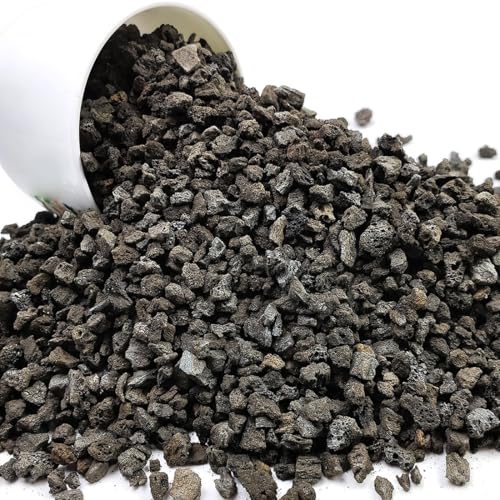
These lava rocks are marketed for horticulture but adapt well to aquarium use where additional drainage and aeration are desired around plant roots or decorative placements. The 2-pound bag is suitable for small to medium tanks or for supplementing larger layouts with accent pieces. The porous nature supports beneficial bacteria colonization and helps maintain stable moisture around root zones in planted sections of the aquarium.
Before introducing to an aquarium, it is advisable to rinse and possibly boil or soak to reduce any residual dust and minerals. Their dark color and texture integrate nicely with vegetation and substrate, offering a natural look that complements aquatic life.
Buying Guide: Key Considerations For Selecting Aquarium Lava Rock
Porosity and surface area: Lava rocks are prized for their porous surfaces, which harbor beneficial bacteria essential to a healthy nitrogen cycle. Higher porosity typically means better biological filtration and natural water stabilization.
Size and scale: Choose rock sizes that fit your tank dimensions and hardscape design. Large rocks create focal features and caves, while smaller stones fill gaps and create texture along the foreground. Mixing sizes can yield a natural, layered landscape.
Safety and composition: Look for natural, non-reactive lava rock free from coatings or sealants that could leach chemicals. Rinse and, if possible, boil or soak before use to eliminate dust and residues that cloud the water.
Maintenance: Lava rocks can trap detritus over time. Regular rinsing and occasional deep cleaning help maintain water clarity. For planted tanks, lava rocks can become a micro-habitat for beneficial bacteria, contributing to a stable ecosystem.
Aquascaping versatility: Some lava rocks are marketed for horticulture but double as aquarium decorations. Assess whether you want purely decorative stones, caves for fish, or a combined habitat that supports plant roots and microbial life.
Cost and quantity: Packages vary from multi-pack sets to larger slabs. Consider your tank size, layout goals, and whether you prefer a few focal rocks or a full-scape with multiple pieces for a natural look.
In sum, the lava rocks above cover a range of tank types—from betta and shrimp setups to planted aquariums—while providing natural aesthetics and functional filtration benefits. Proper preparation and strategic placement will help you achieve a durable, visually striking underwater landscape.