This guide helps you choose the right water conditioner for bettas and ornamental fish. It highlights options for small bowls and larger tanks, aiming to reduce stress and protect gills and fins. The top picks are selected for ease of use, effectiveness, and applicability to common betta setups.
Summary of selected products:
| Product | Best For | Size | Key Benefit |
|---|---|---|---|
| Tetra BettaSafe | New betta setups | 50 ml | Fast-acting, neutralizes chlorine and heavy metals |
| API Betta Water Conditioner | New bettas with multiple chemical concerns | 1.7 oz | Prevents tissue irritation and gill damage |
| API Tap Water Conditioner (16 oz) | Medium to large tanks | 16 oz | Comprehensive dechlorination for bigger volumes |
| Aqueon Betta Bowl Plus | Small bowls and desktop tanks | 2-pack | Instant safe water for bowls |
| TankFirst Complete Aquarium Conditioner | Versatile freshwater, marine, reef | 500 ml | Detoxifies ammonia and removes chlorine |
Tetra BettaSafe, Aquarium Water Conditioner For Bettas
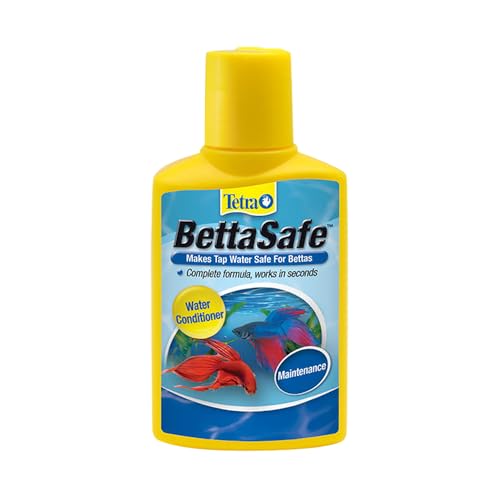
Tetra BettaSafe is a water conditioner designed to make tap water safe for bettas and other ornamental fish. It neutralizes chlorine, chloramines, ammonia, and heavy metals, reducing stress in newly introduced or stressed fish. The product is described as fast-acting, working in seconds, which can help when acclimating a new betta or correcting a water parameter issue. Best for small to medium betta setups that require quick dechlorination.
Who it’s best for: new hobbyists setting up a betta in a small tank or bowl, and caretakers needing rapid stabilization after water changes. Limitation: contains chemicals in a concentrated form; ensure correct dosage for larger volumes.
API Betta Water Conditioner
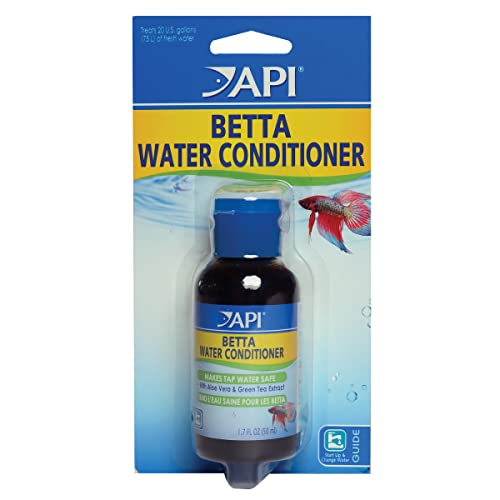
API Betta Water Conditioner neutralizes chlorine, chloramines, ammonia, and other chemicals to make tap water safe for bettas. It helps prevent tissue irritation and gill damage caused by tap water chemicals, supporting healthier gill function and overall well-being. Best for new betta owners seeking a reliable, reputable brand with a focused betta product line.
Who it’s best for: betta owners needing a trusted conditioner to address multiple contaminants. Caution: for very large tanks, consider a larger-volume conditioner to cover water changes efficiently.
API Tap Water Conditioner (16-Ounce)

This API product is a 16-ounce bottle designed to neutralize chlorine, chloramines, and other chemicals to make tap water safe for fish. It helps reduce the risk of gill destruction and tissue irritation during water changes, especially in larger tanks or when maintaining multiple bettas. Best for ongoing maintenance in larger setups.
Who it’s best for: hobbyists upgrading from smaller bottles or managing several tanks. Limitation: a larger bottle may be less convenient for tiny bowls or nano tanks.
Aqueon Betta Bowl Plus Water Conditioner & Dechlorinator (2 Pack)

Aqueon Betta Bowl Plus is tailored for smaller bowls and aquariums, instantly making tap water safe for fish and plants. It is ideal for bettas kept in bowls or compact desktops, providing quick dechlorination and basic water conditioning. Best for beginner setups or quick daily maintenance in small spaces.
Who it’s best for: betta keepers with compact bowls or desktop tanks looking for a straightforward conditioning solution. Caution: designed primarily for smaller volumes; verify bottle contents if you manage larger containers.
TankFirst Complete Aquarium Water Conditioner

TankFirst Complete Aquarium Water Conditioner aims at versatile use across freshwater, marine, and reef aquariums. It removes chlorine, chloramines, and detoxifies ammonia, making tap water instantly safe for a wide range of setups. Best for hobbyists who manage mixed tanks or crave a single product for multiple water chemistry tasks. The dosage guidance notes one capful or one teaspoon per 10 gallons for the 500 mL bottle, treating up to 1,000 gallons.
Who it’s best for: aquarists with larger or mixed-scenario systems seeking a single conditioner that covers multiple water chemistry needs. Limitation: larger volumes require more careful dosage planning to avoid over-treatment in intimate betta bowls.
Buying Guide: Key Considerations For Betta Water Conditioners
- Tank size and volume: Choose a conditioner that matches your tank’s capacity. Smaller bowls need precise dosing, while larger tanks benefit from bigger bottles.
- Contaminant coverage: Prioritize products that neutralize chlorine, chloramines, ammonia, and heavy metals for comprehensive protection of bettas’ delicate gills.
- Ease of use: Fast-acting formulas and clearly labeled dosing instructions reduce the risk of overdosing during water changes.
- Targeted vs. versatile: Betta-specific conditioners are optimized for bettas, while multi-purpose conditioners offer broader applicability for mixed tanks.
- Long-term maintenance: Consider products that support ongoing tap water safety during routine changes in larger or multi-tank setups.
How To Use Water Conditioners Effectively
- Test your tap water to identify the specific contaminants present.
- Follow the product’s dosing instructions based on tank volume.
- Add conditioner before introducing new water to minimize stress on fish.
- Recheck water parameters after changes and adjust future dosing as needed.
- Keep containers sealed and store in a cool, dry place to preserve effectiveness.
Frequently Asked Questions
- Do bettas need a specialized conditioner? Most betta owners benefit from a dechlorinating conditioner, but multi-species aquariums may require broader formulas.
- Can I mix different conditioners? It is generally not recommended to mix products; use one conditioner per water change unless the label permits mixing.
- How often should I treat water for chlorine? Use conditioner with every water change to neutralize chlorine and chloramines.
- What about ammonia detoxification? Some products explicitly detoxify ammonia; for high-bioload tanks, consider products with ammonia-neutralizing or detoxifying properties.
- Is a larger bottle always better? Not always; consider tank size, frequency of water changes, and storage practicality when choosing bottle size.
- Will conditioners affect betta coloration? Conditioning itself does not alter color; it reduces stress factors that can influence appearance over time.