Answer: For keeping plastic aquarium plants looking pristine and water clear, choose products that control algae, maintain substrate cleanliness, and support overall tank hygiene. This guide highlights five reputable options positioned for different needs—fast algae control, easy cleaning sprays, algae tablets, gravel/substrate cleaning, and magnet cleaners for glass and acrylic tanks. Best fits: hobbyists managing algae-heavy tanks, beginners needing simple spray cleanups, planted tanks requiring substrate care, and users favoring non-invasive maintenance tools.
| Product | Best For | Why It Stands Out |
|---|---|---|
| MICROBE-LIFT Algaway 5.4 Algae Remover | Algae control in mixed tanks | Fast-acting algaecide that is safe for fish and plants when used as directed |
| API SAFE & EASY Aquarium Cleaner Spray | Spot cleaning glass and acrylic | Works on inside and outside glass to remove mineral deposits |
| Tetra No More Algae Tablets | Algae control in freshwater tanks | Adds algae-inhibiting action while keeping water clear |
| Aquarium Gravel Cleaner (Natural Rapport) | Substrate maintenance | Biological cleaning helps reduce waste and improve water quality |
| MICROBE-LIFT Gravel & Substrate Cleaner | Gravel/substrate cleaning in mixed tanks | Speeds sludge breakdown and clarifies water without removing substrate |
MICROBE-LIFT Algaway 5.4 Algae Remover

Best for fast algae control in both freshwater and saltwater tanks. This EPA-registered algaecide targets green water, hair algae, and string algae, improving water clarity and reducing odor. It is labeled as safe for fish and ornamental plants when used as directed, supporting a balanced ecosystem and potentially better fish behavior due to clearer water. Caution: not safe for snails, shrimp, clams, or other crustaceans in freshwater environments. Best for tanks with visible algae issues and where rapid results are desired.
API SAFE & EASY Aquarium Cleaner Spray
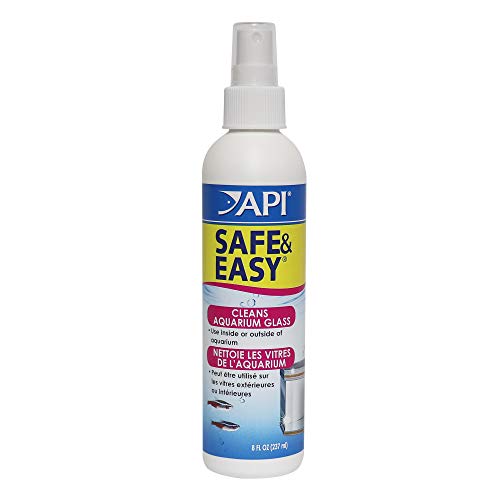
Best for quick, non-destructive cleaning of glass and acrylic surfaces. This spray cleans both the interior and exterior surfaces, helping to remove mineral buildup and crusty deposits that can obscure viewing of plastic or glass plants. Choose this if you want a convenient spray for frequent spot cleaning without disassembling equipment. Limitations include the need to rinse surfaces after use to prevent residue on decorative elements or substrate.
Tetra No More Algae Tablets

Best for ongoing algae control in freshwater tanks. Tablets help manage algae growth and keep water looking clean, contributing to clearer aquarium water and healthier plant appearance. They are designed for use in glass or acrylic tanks. A potential limitation is that tablet-based approaches may require ongoing dosing to maintain control, especially in heavily planted or nutrient-rich tanks.
Natural Rapport Aquarium Gravel Cleaner

Best for reducing waste buildup at the substrate level. This product introduces beneficial bacteria to biologically eliminate organic waste, odors, and toxins while extending the time between water changes and gravel cleanings. It helps improve overall water clarity and reduces the need for frequent substrate vacuuming. A caution: effectiveness depends on proper dosing and tank conditions; use as part of a broader maintenance plan.
MICROBE-LIFT Gravel & Substrate Cleaner

Best for cleaning substrate without removal. This cleaner uses a non-caustic microbial formula to speed sludge breakdown and bind excess nutrients like phosphate and nitrate. It helps clarify cloudy water by digesting organics in the substrate and supports healthier gravel conditions, reducing odor and gas buildup. Choose this if you want substrate-focused cleaning integrated with regular water conditioning routines. Caution: results vary with substrate type and tank bioload.
Buying Guide: Key Purchase Considerations
- Tank type and inhabitants: Choose products with attention to whether the tank houses fish, plants, invertebrates, or a combination. Some algaecides can affect sensitive species; always follow label directions.
- Algae management goals: For rapid green water or hair algae, consider algae-focused products like Algaway 5.4. For ongoing maintenance, tablets or substrate cleaners may be better fits.
- Substrate needs: Gravel cleaners and substrate cleaners are ideal for substrate-heavy tanks or high waste loads. If you keep sand or fine gravel, ensure compatibility with the product’s application.
- Maintenance routine: Some products require frequent dosing or steady supplementation; others are designed for periodic use. Align with your weekly maintenance schedule.
- Safety and compatibility: Confirm that products are labeled as safe for live plants and fish. Note any caveats about invertebrates or crustaceans in freshwater tanks.
- Application method: Sprays and tablets offer different user experiences. If you prefer hands-off maintenance, consider automatic or substrate-focused products.
Frequently Asked Questions
- What is the best way to remove algae from plastic plants in an aquarium?
Recommended approach is to use an algae-focused cleaner or a dedicated algae remover like Algaway 5.4, combined with regular water changes and proper lighting control. - Are algae tablets safe for planted aquariums with plastic plants?
Yes, when used as directed and in appropriate tank conditions. Tablets focus on algae control and should not harm live plants if label instructions are followed. - Can gravel cleaners harm beneficial bacteria on the substrate?
Proper use minimizes disruption to beneficial bacteria; most products are designed to work with the established biofilter when used as directed. - Should I use a magnet scraper for plastic plant tanks?
Magnet scrapers are excellent for glass or acrylic tank interiors; they help keep glass clean without disturbing the substrate or plants. - Is it better to clean glass and substrate separately or together?
A combined approach often yields best results: use a cleaner for glass, a gravel/substrate cleaner for the bottom, and algae control products as needed for the water column. - What should I avoid when using algaecides around fish and plants?
Avoid exceeding recommended doses, and be mindful of any sensitivity in your tank’s species. Rinse decorations if specified and monitor water parameters after dosing.