Floating aquarium plants offer a simple, low-maintenance way to shade the water, reduce light glare, and provide natural cover for fish. This guide highlights five top floating plant options that are well-suited for American tropical and freshwater setups. Each option is explained with who it’s best for, why it was selected, and a practical caveat to help you choose confidently.
Buyer-friendly quick reference:
- Salvinia Minima (Water Spangles) — best for compact, dense surface mats and low-tech tanks.
- Salvinia Minima (Aquarium Plant Center) — ideal for small to medium tanks needing quick surface shade.
- Salvinia Minima (G&Z) — good for beginners who want 4-6-leaf groups per order and easy upkeep.
- 12 Amazon Frogbit (Limnobium Laevigatum) — best for larger tanks needing more surface coverage.
- Red Root Floaters (Canton Aquatics) — best for vibrant color, quick nutrient uptake, and natural fish cover.
Summary table of the chosen products
| Product | Best For | Notes |
|---|---|---|
| 60+ Leaves Water Spangles | Dense surface mats | Compact growth; easy to care for |
| Water Spangle, Salvinia Minima (Aquarium Plant Center) | Medium tanks | Low to medium light; 12 plants cover ~4″ area |
| 24 Water Spangles (G&Z) | Beginner setups | 4–6 leaves per plant; needs proper lighting |
| 12 Amazon Frogbit (Limnobium Laevigatum) by G&Z | Smaller to medium tanks with broad coverage | Shipping may be affected by temps |
| Canton Aquatics Red Root Floaters | Colorful, fast coverage | Red-root canopy helps shading and coverage |
60+ Leaves Water Spangles – Salvinia Minima Floating Live Aquarium Plants
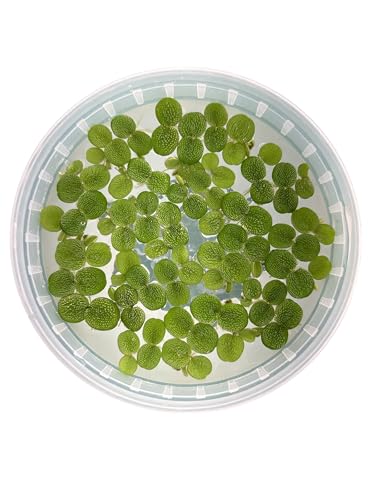
Species at a glance: Salvinia Minima, commonly called Water Spangles, floats on the water surface and forms a dense, lush mat. This compact plant is easy to care for and thrives in medium to high lighting, making it suitable for most community tanks. Best for aquarium hobbyists who want to quickly create a green surface cover with minimal substrate needs.
Who it’s best for: Ideal for beginners and small to medium tanks that need fast surface shading and a natural look. It’s also helpful for reducing light penetration to control algae growth.
Caution: Avoid placing in tanks with extremely low light, as growth may slow significantly.
Water Spangle, Salvinia Minima, Live Aquarium/Aquatic/Freshwater/Floating/Pond Plant

Features indicate a 12-plant package with 60+ leaves designed to cover about a 4-inch diameter circle. It’s described as low to medium light tolerant and suitable for freshwater floating needs. Best for hobbyists wanting quick surface coverage in a settling tank or paludarium setup.
Who it’s best for: Aquarists seeking a ready-to-go density of leaves to form a mat without special substrate. Good for homes with controlled lighting and standard freshwater conditions.
Caution: Temperature guidance suggests avoiding extreme highs or lows in the near term to prevent slower establishment.
24 Water Spangles (Salvinia Minima) by G&Z

Each order contains 24 floating plants with 4–6 leaves per plant in typical groups. A note stresses the need for appropriate aquatic lighting for indoor use and that no substrate is required. The plant’s floating habit makes it a good choice for adding surface shade quickly to a new tank.
Who it’s best for: New setups and beginners who want simple, instant surface coverage without relying on substrate plants. It’s a fit for small-to-medium containers where light is manageable.
Caution: Expect some variation in leaf count per plant and ensure your lighting matches aquatic plant requirements for best results.
Canton Aquatics Red Root Floaters

Red Root Floaters form a vibrant, red-root canopy that floats on the surface. They diffuse bright light, which can help calm skittish fish and shrimp while absorbing excess nutrients to support water quality. This is a robust option for those seeking both color and functional shading in a single plant.
Who it’s best for: Aquarists wanting a quick visual impact with additional shade. It’s also suitable for tanks needing faster nutrient uptake to counter algae growth.
Caution: Growth can be vigorous; ensure you have space to manage rapid surface expansion and avoid overcrowding the water surface.
60+ Live Giant Duckweed Plants

Giant Duckweed provides several dozen floating plants capable of forming a broad surface cover. It serves as shelter and a natural food source for small fish, while contributing to water quality by nutrient uptake. Best for larger tanks and ponds where coverage is desired with minimal substrate needs.
Who it’s best for: Aquarists with ponds or larger tanks seeking quick surface coverage and natural filtration benefits without complex maintenance routines.
Caution: In some cases, rapid growth may require regular thinning to prevent overcoverage and reduced oxygen exchange at the surface.
Buying Guide
What to consider when buying floating aquarium plants
- Tank size and surface area: Larger tanks benefit from higher surface coverage, while small tanks may prefer more compact species.
- Light requirements: Most floating plants tolerate medium to high light; ensure your aquarium lighting matches the plant’s needs to avoid stunted growth.
- Temperature range: Some species tolerate broader temperatures than others. Verify your aquarium’s typical range and seasonal variability.
- Nutrient uptake: Floating plants can help absorb excess nutrients, which helps control algae but may necessitate occasional trimming to maintain balance.
- Maintenance: Floating plants generally require less substrate, but they still need occasional thinning and occasional replacement to prevent overcrowding.
- Compatibility: Consider compatibility with fish and invertebrates that may nibble or rearrange the plants.
FAQ
- Q: Are floating plants beneficial for beginners? A: Yes. They are generally easy to maintain, require minimal substrate, and provide surface shading to reduce algae growth.
- Q: Do floating plants need special lighting? A: Most do best under medium to high lighting. Check each product’s notes for specific guidance.
- Q: Can floating plants affect water parameters? A: They can help stabilize light and nutrient levels by absorbing excess nutrients, but they do not replace regular water parameter testing and maintenance.
- Q: How do I manage overgrowth? A: Regular thinning is recommended. Remove excess plants to maintain surface airflow and light penetration.
- Q: Are artificial floating plants an option? A: Yes, but artificial plants don’t provide biological benefits like live plants; they mainly serve aesthetic purposes.
- Q: Which floating plant is best for color? A: Red Root Floaters offer a distinct red-root canopy that adds color to the tank while providing shading.