Answering the common buyer question, these Anubias barteri var. nana bonsai and related plants are ideal for beginner to intermediate freshwater tanks. They are generally slow-growing, tolerate low to moderate light, and work well as foreground accents or on driftwood and rocks. The top five selections below include potted Nana varieties, petite foreground types, and compact bundles designed for easy setup and maintenance. Each option targets a specific aquarium scenario, from nano tanks to larger community tanks.
Product Comparison At A Glance
| Product | Best For | Notes |
|---|---|---|
| Planterest Anubias Barteri Var Nana Potted | Beginners with small to mid-sized tanks | 2–5″ plant, snail-free guarantee |
| Greenpro Anubias Barteri Var Nana Potted | Foreground accents in any freshwater tank | Easy, slow growing, oxygenating |
| SubstrateSource Anubias Nana Petite | Nano tanks, tight spaces | Attached to driftwood/stone |
| 3 Aquatic Plants Bundle (Nana) | Bulk Nana coverage for beginners | 3 plants, size 3–7 inches |
| Planterest Anubias Nana Bonsai | Decorative bonsai look in planted tanks | 2″+ length, bonsai-style |
Planterest Anubias Barteri Var Nana Potted Live Aquarium Plants

Live aquarium plant in a single potted Nana variety. Size typically 2–5 inches. Includes a note about seasonal ice or heat packs available on request. Best for beginners and mid-sized tanks needing a compact, hardy greenery addition. Consider this if you want a ready-to-plant option with minimal setup and a snail-free guarantee.
Who it’s best for: new hobbyists seeking an easy-to-care-for foreground plant; experienced keepers adding a robust nana to fill spaces. Limitation: occasional weather-related shipping options may affect transit timing.
Greenpro Anubias Barteri Var Nana Potted Live Aquarium Plants
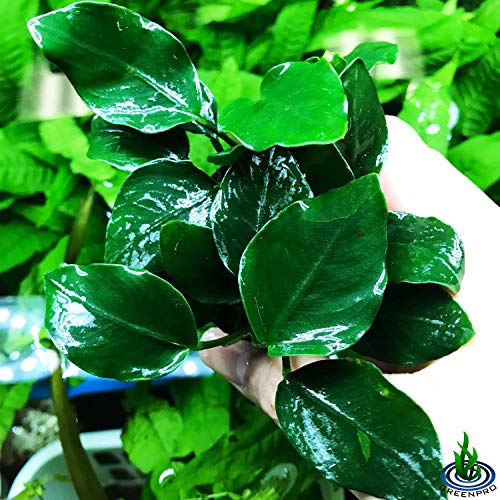
Live plant with a single potted Anubias Barteri Var. Nana. Suitable for any aquarium and described as easy and slow-growing. It functions well as a foreground plant and contributes to water quality by producing oxygen and providing shelter for tank inhabitants. This choice suits aquarists seeking a low-maintenance, versatile Nana for various tank setups.
Who it’s best for: hobbyists looking for a dependable nana that adapts to many aquariums. Limitation: growth rate is slow, so rapid changes in layout require patience.
Anubias Barteri VAR Nana Live Aquarium Plants Potted (Buy1 Get 1 Free)

Compact, with 3–7 inch size variance typical for live nana plants. It emphasizes easy care and broad water-condition tolerance, making it suitable for beginners and those assembling multiple small plants for nano tanks or foreground displays. Best for: bulk planting in small tanks. Better for: users who want multiple Nana plants for a cohesive look; choose this if you want a value bundle for nana placement.
Planterest – Anubias Barteri VAR. Nana Loose Hardy Leaves

Loose leaves variant of Anubias Barteri Var. Nana, typically 2–8 inches. No potting medium required if you’re anchoring to driftwood or rocks. This option is best for users who prefer flexible placement and custom hardscape arrangements. Limitation: requires careful anchoring to prevent movement in turbulent water. Who it’s best for: tank owners who want a bonsai-like or natural driftwood look with customized layouts.
Planterest Planterest – Anubias Nana Bonsai

Live aquarium plant offering a distinctive Bonsai look. Size around 2 inches or more, with a focus on compact, aesthetically pleasing growth. Includes a free ice or heat pack option on request, useful for extreme weather. Best for aquarists aiming for a decorative foreground bonsai effect in nano or small-to-medium tanks. Caution: bonsai styling may require gentle pruning to maintain shape over time.
Buying Guide: Anubias Barteri Nana Bonsai And Related Varieties
What to consider when buying: tank size; light availability; substrate preference; and how you plan to attach or plant the nana variety. Anubias barteri var. nana is typically robust under low-to-moderate light and can grow attached to driftwood or rock as well as in substrate. For nano tanks (less than 20 gallons), petite or bonsai variants fit best. In larger tanks, multiple Nana plants can create visual depth and a lush foreground zone.
Attachment vs. planting: Many Nana varieties do well when tied with aquarium-safe thread or epoxy to driftwood or rocks. If you prefer bare-root or potted options, plan for a simple transplant into substrate or mounting on hardscape. Consider water flow; excessive current can dislodge lightweight plants, though Anubias tends to tolerate a range of flow conditions.
Maintenance and care: Anubias nana is slow-growing and typically requires minimal trimming. It thrives in low-to-moderate light and benefits from regular water changes to maintain water quality. Avoid lengthy direct sunlight exposure, which can promote algae growth on leaves. Fertilization is optional in most setups, as these plants primarily rely on available nutrients in the water column.
Best practices for beginners: start with a single nana plant and observe growth, then branch out with additional specimens or a small bundle. Choose a product with a clear mounting or placement plan (driftwood, rocks, or substrate) to reduce transplant shock. If you have extremely variable temperatures, consider ice or heat pack options when shipping to help with plant viability during transit.
Common questions answered: Do nana plants require CO2 supplementation? Generally no for small home tanks, though beginners can benefit from trace nutrients. Can nana be used in mid- or background spaces? nana is primarily a foreground plant due to its compact growth habit, but multiple plants can fill midground areas in larger aquariums.
Frequently Asked Questions
- Q: Are Anubias nana plants easy for beginners? A: Yes, they are slow-growing, tolerate low to moderate light, and require minimal maintenance.
- Q: Can I attach Nana to driftwood? A: Yes, many Nana varieties mount well on driftwood or rocks with aquarium-safe adhesive or ties.
- Q: Will Nana survive in low-light tanks? A: Yes, Nana is known for thriving in low to moderate lighting conditions.
- Q: Do these plants need CO2? A: In most small home aquariums, CO2 is not required; routine water changes and basic nutrients are sufficient.
- Q: What about shipping during extreme weather? A: Some products offer ice or heat packs on request to protect plant health during transit.
- Q: How much space does Nana need in a nano tank? A: Nana is compact, often suitable for foreground positions in nano tanks up to about 10–20 gallons depending on layout.