When fin rot threatens your aquarium, choosing the right antibiotic can speed recovery and protect other fish. This guide highlights five effective options, focused on fin rot and related bacterial infections. Each product is described for who it’s best for, plus practical pros and limits to help you choose quickly.
The following table provides a quick snapshot of the featured products.
| Product | Best For | Key Benefit |
|---|---|---|
| API MELAFIX Freshwater | New or mild bacterial infections in general | Soothes damaged fins and wounds with natural tea tree extract |
| API FIN & BODY CURE | Fin rot, body slime, eye cloud, gill disease | Powder formula; multi-symptom support |
| API BETTAFIX | New betta infections and wounds | Betta-specific, antibacterial & antifungal |
| API 2 Pack Fin & Body Cure | Freshwater diseases including bacterial tail rot | Two bottles for extended treatment |
| Seachem Kanaplex (Pack of 2) | Internal and external infections, fins/tails | Kanamycin-based, versatile and easy to remove |
API MELAFIX Freshwater Bacterial Infection Remedy
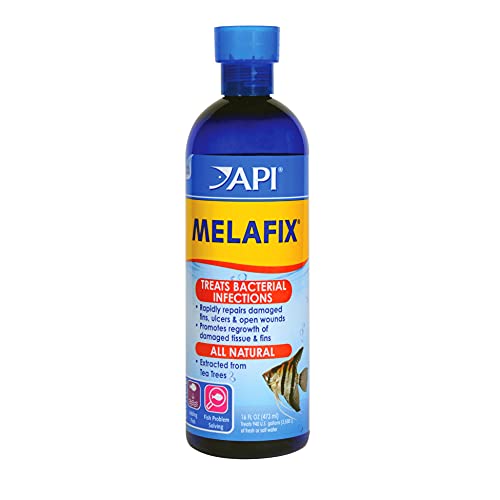
Best for general bacterial infections in freshwater fish and early fin problems. MELAFIX uses natural tea tree extract to support healing of fins, ulcers, and wounds. It is suitable for fish showing mild to moderate fin damage and open wounds. Use when quick wound recovery is needed and you want a broad-spectrum bacterial response without harsh agents. Caution: avoid overuse near extremely sensitive species; follow dosing instructions to prevent stress from medicated water.
API FIN & BODY CURE Freshwater Fish Powder
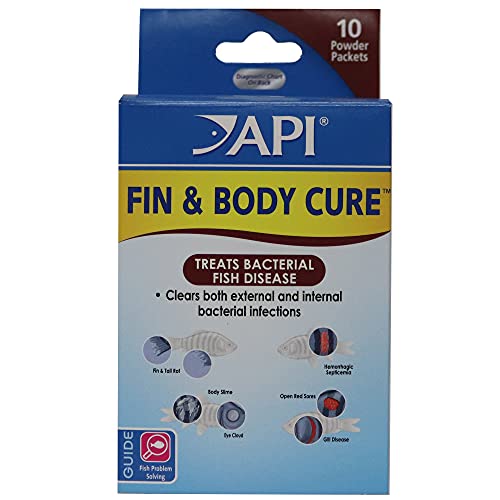
Best for broad coverage of fin rot, body slime, eye cloud, and gill disease. This powder is ideal for rapid, concentrated treatment and can address multiple symptoms at once. Choose this if you want a single product to address several common freshwater conditions. Caution: water may discolor slightly; add activated charcoal afterward to restore clarity.
API BETTAFIX Antibacterial & Antifungal Remedy

Best for Bettas or small, delicate species with bacterial infections or fungal lesions. BETTAFIX focuses on healing wounds, promoting fin regrowth, and reducing tissue damage. This product is straightforward for small tanks and newly introduced fish. Caution: designed for Betta-specific issues; for other species, consider a broader-spectrum option if fin rot is advanced.
API 2 Pack Fin & Body Cure Freshwater Medication

Best for ongoing, multi-symptom treatment in freshwater tanks. The two-pack provides extended coverage for persistent infections such as tail rot, eye disease, and gill disorders. It’s a practical choice for hobbyists who want a ready supply for multiple infections. Caution: water may require activated charcoal to clear after treatment; ensure the tank’s biological filter remains intact.
Seachem Kanaplex (Pack of 2)

Best for treating a broad range of fungal and bacterial diseases, including fin rot and septicemia. Kanaplex is a kanamycin-based medication suitable for both freshwater and marine aquariums. It helps in situations where internal infections or serious tissue damage are present and where water quality supports treatment. Caution: not all species tolerate antibiotics equally; use precisely as directed and monitor for stress or unusual behavior.
Buying Guide: How to Choose The Right Fin Rot Antibiotic
- Identify the symptoms: fin rot vs. other injuries. Look for white edges, frayed fins, ulcers, or gill issues to select the most targeted option.
- Species considerations: Bettas may benefit from Betta-specific remedies, while mixed species tanks often perform best with broad-spectrum formulations.
- Water quality readiness: ensure ammonia, nitrite, and nitrate are controlled. Some meds can affect biofilters; plan a gentle transition back to healthy conditions after treatment.
- Mode of administration: powders can offer rapid action but may discolor water; liquids or pelleted forms may be easier to dose for beginners.
- Treatment duration: follow product guidelines for how long to treat and when to perform water changes or charcoal dechlorination.
- Tank size and stocking: smaller tanks require closer monitoring; high-bioload tanks may need staggered treatments to avoid overdose.
FAQ
- What is fin rot, and what causes it? Fin rot is a bacterial infection that degrades the fins, often due to stress, poor water quality, or injuries.
- When should I start antibiotic treatment? Begin treatment when you observe symptoms such as fin edge decay, ulcers, or rapid deterioration of fins with signs of infection.
- Are antibiotics safe for all fish? Most are safe for common freshwater species when used as directed. Check species-specific warnings for sensitive fish like scaleless varieties.
- Can I use multiple products together? Combining products can be risky. If signs persist after one course, consult a fish-care reference or a vet before layering medications.
- Will fin rot return after treatment? Maintaining good water quality, proper feeding, and a stable environment helps reduce recurrence.
- How do I remove meds from the tank after treatment? Use carbon filtration or a scheduled water change to reduce residual medication and restore water clarity.