Answering the common question, these algae scrapers are designed to keep acrylic aquariums clean without scratching sensitive surfaces. The top picks below are best for hobbyists who want long reach, durable builds, and safe plastic or blade options for acrylic tanks. Ideal buyers include beginner hobbyists needing simple magnetic options, advanced aquarists seeking premium plastics, and those cleaning several tank sizes.
The following quick-reference table highlights five strong options, focusing on acrylic-friendly designs, blade materials, and reach. Use this as a starter guide to compare versatility, ease of use, and durability across different tank sizes.
| Product | Best For | Key Benefit |
|---|---|---|
| API Algae Scraper For Acrylic Aquariums | Direct acrylic cleaning with minimal splash | Long 18-inch handle and strong construction |
| FL!PPER Platinum Aquarium Hand Scraper | Versatile sizes and no-scratch blade | Fits multiple tank widths, serrated edge, reusable credit-card blade approach |
| Continuum Aquatics AquaBlade P (Acrylic Safe) | Premium acrylic-safe option | Solid fiberglass handle, durable alloy-free construction |
| Aqueon Aquarium Algae Scraper (Large) | Magnetic cleaning from outside | Magnet-assisted cleaning for glass and acrylic |
| Continuum Aquatics AquaBlade P Short | Compact, acrylic-safe for smaller tanks | Virgin ABS plastic, cyan acrylic-safe blade |
API Algae Scraper For Acrylic Aquariums 1-Count Container

The API scraper is specifically marketed for acrylic tanks, emphasizing a quick removal of unsightly growth. It features an extra-long 18-inch handle to keep the hand dry and distant from water splashes. The design highlights a robust handle and a durable scrubbing pad for stubborn algae. This option is best for hobbyists who want a straightforward, long-reach tool that minimizes wet handling and is easy to store.
Best for hobbyists who clean larger tanks or prefer a simple, no-fuss tool. The long reach helps in multi-panel aquariums. A potential limitation is that the scraper’s effectiveness depends on the pad’s condition; wear may reduce scrubbing power over time.
FL!PPER Platinum Aquarium Hand Scraper for Glass and Acrylic Tanks – 18″

The FL!PPER scraper offers a 18″ option along with four sizes to fit different tanks, including glass and acrylic. It uses a serrated official blade that won’t scratch glass or acrylic surfaces, making it safer for sensitive coatings. A notable feature is the ability to reuse a card-like insert for blade flexibility, providing additional scraping levels without frequent blade replacements.
Best for aquarists who want a flexible, multi-size tool with a non-scratch blade. Choose this if you regularly clean varied tank widths or prefer a blade that’s not a fixed form. The trade-off is that blade maintenance may be needed if you encounter tougher algae or if the insert wears over time.
Continuum Aquatics AquaBlade P – Acrylic Safe Aquarium Scraper w/ Plastic Blade, Long, 24-inches

Arranged as a premium option, the AquaBlade P uses a solid fiberglass handle designed to withstand substantial pressure while remaining lightweight. It is acrylic-safe and constructed without hollow sections that can harbor odors or bacteria. The plastic blade (cyan) is softer than acrylic, reducing scratch risk while maintaining cleaning efficiency. The tool is injected as a single piece to prevent water intrusion and odor buildup.
Best for serious hobbyists who value durability and odor control in a high-usage tool. Opt for this if you clean multiple tanks or seek a long-lasting scraper with a modern, plastic-safe design. A limitation is that the fiberglass handle, while strong, may be heavier than all-plastic options for some users.
Aqueon Aquarium Algae Scraper, Medium (Glass/Acrylic)
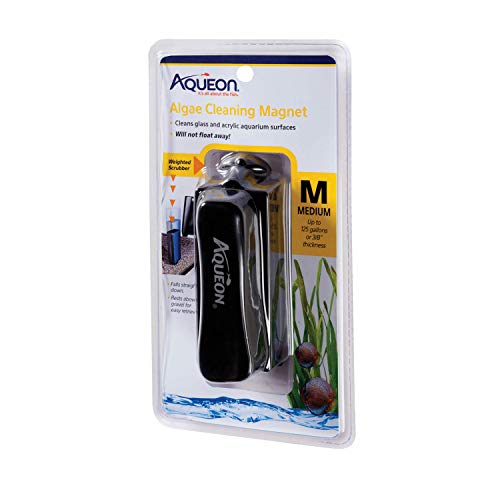
Aqueon offers a magnetic algae scraper system that cleans from outside the tank, with a scrubber that can detach and fall straight down for easy retrieval. The curved pad is designed to adapt to both flat and curved aquarium surfaces. This is a solid choice for glass and acrylic tanks that favor external cleaning and simple blade management.
Best for owners who prefer magnetic cleaning to avoid direct contact with water. The magnet-driven approach is great for routine maintenance. A potential limitation is that paddle alignment or magnet strength can affect effectiveness on heavily encrusted surfaces.
Aqueon Aquarium Algae Scraper, Small (Glass/Acrylic, Black)
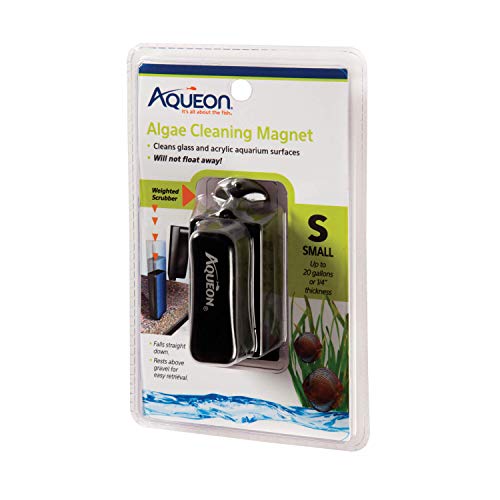
This smaller variant from Aqueon mirrors the same magnet-assisted design with a compact form factor. It is suitable for tight spaces or smaller tanks where a full-size scraper might be unwieldy. The curved cleaning pad supports both flat and curved surfaces for flexible cleaning across acrylic panels.
Best for nano or compact tanks where reach is less critical but ease of handling matters. Limitations include potentially reduced leverage on larger growths and the need to manage magnet alignment in narrow tanks.
Continuum Aquatics AquaBlade P – Short, Acrylic Safe Scraper
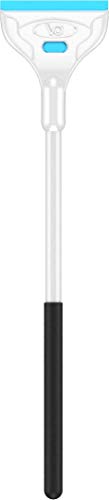
This short variant emphasizes a compact, acrylic-safe cleaning tool with a solid white plastic construction and a cyan blade that is softer than acrylic. It is designed to minimize scratches while delivering efficient cleaning in smaller tanks or tight spaces. The virgin molded ABS construction adds durability and visible cleaning results on darker algae growth.
Best for smaller tanks or for users who want a highly visible blade and a simple, all-plastic build. A drawback could be the reduced reach, which makes it less ideal for larger aquariums or hard-to-reach corners.
Buying Guide: Key Considerations For Choosing An Acrylic-Safe Algae Scraper
- Tank size and reach: Larger tanks benefit from long handles (12–24 inches) to minimize water exposure and reach corners. Smaller tanks may not require extra length but still benefit from a sturdy grip.
- Scraper blade vs. plastic blade: Scrapers with metal or serrated blades can remove stubborn growth but risk scratching acrylic. Plastic-safe blades reduce scratch risk but may require more effort on heavy algae.
- Material durability: Fiberglass or solid ABS/plastic builds offer lasting performance and lower odor concerns in dry storage. Avoid hollow handles if you prioritize odor resistance and easy cleaning.
- Magnetic vs. manual: Magnetic cleaners avoid direct contact with water and are convenient for frequent maintenance but can struggle with very thick algae layers or curved panels.
- Ease of replacement and maintenance: Look for tools with simple blade replacement or flexible insert options to extend tool life without frequent replacements.
- Surface compatibility: Ensure the scraper is marketed as acrylic-safe if you use it on acrylic tanks; some blades are optimized for glass, which may still be safe but warrants caution with acrylic coatings.
- Storage and setup: Tools with single-piece construction or compact storage designs are easier to keep dry and ready for use between water changes.
FAQ: Quick Answers For Buyers
- What makes an algae scraper acrylic-safe? A scraper labeled as acrylic-safe uses softer blades or plastic components designed to minimize scratching on acrylic surfaces while still cleaning algae.
- Is a magnetic scraper better for acrylic tanks? Magnetic scrapers keep hands dry and can be easier for regular maintenance, but they might struggle with heavy growth or very tight corners compared to manual scrapers.
- How long should I expect a scraper to last? Durable builds with solid handles and high-quality blades or plastic parts can last many cleaning sessions, but blade wear and handle fatigue will dictate replacement timing.
- Which one is best for a small nano tank? A compact, short, acrylic-safe plastic blade scraper is typically easier to maneuver in tight spaces and minimizes the risk of scratches.
- Do I need both plastic and metal blades? Having one plastic-safe blade for acrylic and a backup blade (or a versatile model) can cover both delicate surfaces and tougher algae when needed.
- Should I choose a long-handled scraper for high tanks? Yes, long-handled tools reduce splashing and keep hands dry, especially when cleaning multiple panel sides or hard-to-reach corners.